Mag-iwan ng Mensahe
Kung interesado ka sa aming mga produkto at gusto mong malaman ang higit pang mga detalye, mangyaring mag-iwan ng mensahe dito, sasagutin ka namin sa lalong madaling panahon.

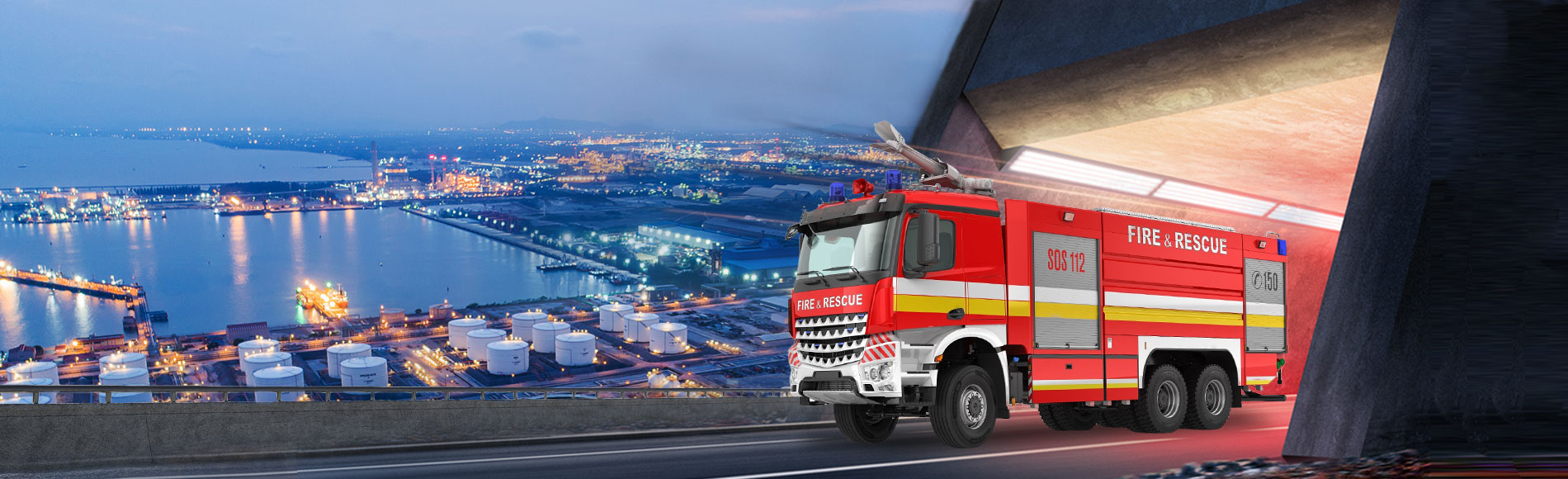
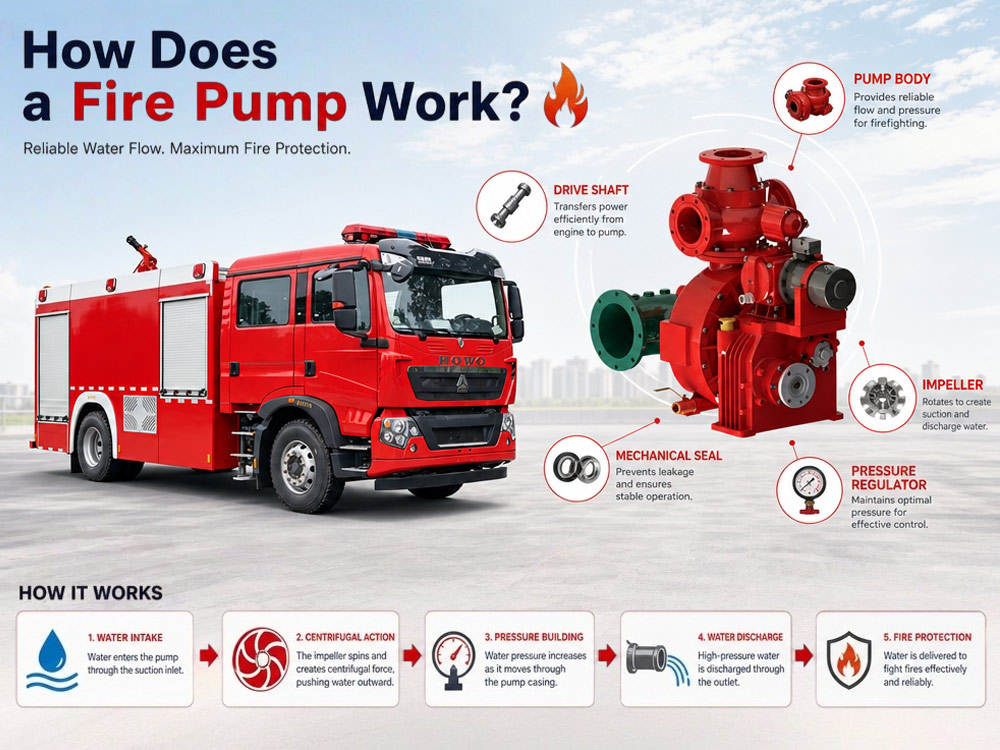
Paano Gumagana ang Bomba ng Bumbero? Ipinaliwanag ang Prinsipyo ng Paggana ng Bomba ng Trak ng Bumbero
Ang bomba ng tubig para sa sunog ang puso ng sistema ng paghahatid ng tubig ng bawat trak ng bumbero. Tumutugon man sa sunog sa gusali, emerhensiyang industriyal, insidente sa paliparan, o operasyon sa kagubatan, ang bomba ng tubig para sa sunogsa isang trak ng bumberoay responsable sa paghahatid ng tubig na may mataas na presyon papunta sa mga hose, fire monitor, at mga sistema ng bula.Ang disenyo nitong centrifugal impeller at sistemang pinapagana ng PTO ay nagsisiguro ng matatag na presyon at mataas na daloy ng tubig, na direktang nagpapataas ng pagiging epektibo ng paglaban sa sunog nang higit sa 40%, habang binabawasan ang oras ng pagtugon nang 3 beses. Maaari itong tawaging hindi nakikitang tagapangalaga ng mga operasyon sa paglaban sa sunog at teknikal na pundasyon ng makabagong pagtugon sa emerhensiya.
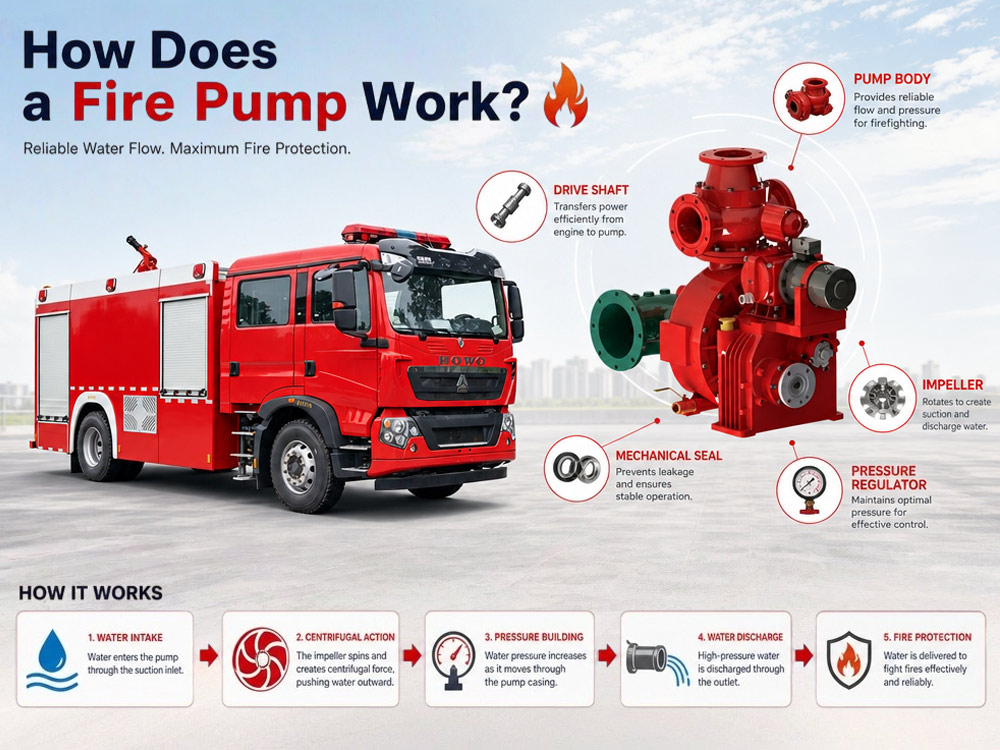
Alamin kung paano gumagana ang bomba ng tubig para sa sunog, kabilang ang prinsipyo ng paggana nito, mahahalagang bahagi, proseso ng daloy ng tubig, paglikha ng presyon, at mga aplikasyon. Tuklasin kung paano nagbibigay ang mga bomba ng trak ng bumbero ng maaasahang suplay ng tubig para sa paglaban sa sunog at kung paano pumili ng tamang bomba para sa iyong sasakyang pamatay-sunog.Alamin natin ito ngayon.
1. Impeller:Ang umiikot na bahagi na humihigop ng tubig at nagtutulak dito palabas gamit ang puwersang sentripugal. Karaniwang gawa sa tanso, hindi kinakalawang na asero, o cast iron.
2. Kaha ng bomba:Ang pabahay na naglalaman ng impeller at nagdidirekta sa daloy ng tubig. Dinisenyo upang gawing presyon ang bilis ng daloy.
3. Power Take-Off (PTO):Ang mekanikal na koneksyon na naglilipat ng lakas ng makina mula sa transmisyon ng trak papunta sa bomba ng tubig para sa sunog.
1. Inililipat ang lakas mula sa makina sa pamamagitan ng PTO
Pinapaandar ng makina ng trak ang PTO, na nakakonekta sa baras ng bomba. Kapag ikinabit ng operator ang PTO, inililipat ang lakas ng makina upang paikutin ang impeller ng bomba sa mataas na bilis.
2. Nagsisimulang umikot ang impeller
Umiikot ang impeller sa bilis na 1,500–2,500 RPM, na humihigop ng tubig papasok sa bomba sa pamamagitan ng bukana ng pagsipsip. Lumilikha ang mga talim ng umiikot na impeller ng mababang presyon sa gitna, kaya nahihila ang tubig mula sa tangke ng sasakyan, hydrant, o likas na pinagkukunan ng tubig.
3. Pinapataas ng puwersang sentripugal ang presyon ng tubig
Habang umiikot ang impeller, itinutulak nito ang tubig palabas sa pamamagitan ng puwersang sentripugal. Tumataas ang bilis ng tubig habang gumagalaw ito mula sa gitna papunta sa panlabas na gilid ng impeller. Pagkatapos ay ginagawang presyon ng kaha ng bomba ang bilis na ito, na nagtutulak sa tubig na may mataas na presyon palabas sa bukana ng labasan.
4. Lumalabas ang tubig na may mataas na presyon sa bukana ng labasan
Ang tubig na may presyon (karaniwang 0.8–1.2 MPa) ay lumalabas sa bukana ng labasan at inihahatid sa mga hose ng bumbero, fire monitor, o mga sistema ng paghahalo ng bula para sa mga operasyon ng paglaban sa sunog.
Maaaring kumuha ng tubig ang bomba ng tubig para sa sunog mula sa tatlong pinagmumulan:
Tangke ng tubig na nasa sasakyan:Ang pangunahing pinagmumulan ng tubig para sa unang pag-atake. Karaniwang kapasidad: 2,000–12,000 litro. Nagbibigay ng agarang suplay ng tubig pagdating sa lugar.
Fire hydrant:Nakakonekta sa pamamagitan ng mga hose ng suplay. Nagbibigay ng tuloy-tuloy na suplay ng tubig para sa matagalang operasyon. Tinutulungan ng presyon mula sa hydrant ang bomba na mapanatili ang daloy.
Likas na pinagkukunan ng tubig (pagkuha sa pamamagitan ng pagsipsip):Mga lawa, ilog, palaisdaan, o swimming pool. Gumagamit ang bomba ng sistemang pangunang pag-alis ng hangin upang alisin ang hangin mula sa hose ng pagsipsip bago kumuha ng tubig. Pinakamataas na teoretikal na taas ng pag-angat sa lebel ng dagat: humigit-kumulang 10 metro (33 talampakan). Karaniwang epektibong lalim ng pagsipsip: 7–8 metro.
Proseso ng pagkuha sa pamamagitan ng pagsipsip:
Ikonekta ang matibay na hose ng pagsipsip sa pasukan ng bomba
Ilubog ang salaan nang hindi bababa sa 2–3 talampakan sa ibaba ng ibabaw ng tubig
I-activate ang primer upang alisin ang hangin mula sa hose at bomba
Nabubuo ang vacuum, at itinutulak ng presyon ng atmospera ang tubig pataas
Napupuno ng tubig ang bomba, pagkatapos ay pinipresyur ito ng centrifugal pump
Bukana ng pagsipsip:Kung saan pumapasok ang tubig sa bomba. Karaniwang sukat: DN100–DN150. May salaan upang pigilan ang pagpasok ng mga dumi.
Lalagyan ng labasan ng tubig:Kung saan lumalabas ang tubig na may presyon. Karaniwang sukat: DN65–DN80 (mga pamantayang labasan). Nilagyan ng mga balbula upang kontrolin ang daloy papunta sa mga hose o monitor. Pinapayagan ng maraming labasan ang sabay-sabay na paggamit.
Impeller:Ang umiikot na bahagi na lumilikha ng daloy ng tubig. Ginagawang enerhiyang kinetiko ang mekanikal na enerhiya. Karaniwang gawa sa tanso (lumalaban sa kaagnasan), hindi kinakalawang na asero (matibay at pangmatagalan), o cast iron (matipid para sa karaniwang mga gamit).
Katawan ng bomba:Ang pabahay na nagdidirekta ng daloy ng tubig. Dinisenyo upang gawing presyon ang bilis ng daloy. Mga karaniwang disenyo: volute casing (hugis paikot para sa maayos na daloy) at diffuser casing (para sa mas mataas na kahusayan).
Sistema ng primer:Nag-aalis ng hangin mula sa bomba at suction hose bago sumipsip ng tubig. Kabilang sa mga uri ang:
Vacuum primer:Disenyong rotary vane o piston. Mabilis at mahusay. Pinakakaraniwan sa mga makabagong trak ng bumbero.
Exhaust primer:Gumagamit ng tambutso ng makina upang lumikha ng vacuum. Simple ngunit hindi gaanong epektibo.
Electric primer:Pinapatakbo ng motor. Maaaring mag-prime nang hindi umiikot ang bomba. Pinoprotektahan ang mekanikal na seal laban sa pinsala dahil sa pagtakbo nang tuyo.
Balbula ng pagpapawala ng presyon:Pinipigilan ang sobrang pagtaas ng presyon. Bumubukas kapag lumampas ang presyon sa itinakdang limitasyon. Pinoprotektahan ang mga hose, bomba, at mga bumbero.
Tagakontrol ng presyon:Awtomatikong pinananatili ang itinakdang presyon. Inaayos ang RPM ng makina upang mabawi ang mga pagbabago sa daloy. Binabawasan ang trabaho ng operator. Makukuha sa pressure mode (pinananatili ang itinakdang presyon) at RPM mode (pinananatili ang itinakdang bilis ng makina).
PTO (Power Take-Off):Ang koneksyon sa pagitan ng makina at bomba. Inililipat ang lakas ng makina upang paandarin ang bomba. Karaniwang gumagamit ang mga trak ng bumbero ng sandwich PTO (nakakabit sa pagitan ng makina at transmisyon) para sa buong output ng lakas.
| Uri ng Bomba | Mga Kalamangan | Karaniwang mga Gamit |
|---|---|---|
| Single-stage centrifugal pump | Mataas na daloy, simpleng disenyo, matipid sa gastos | Mga trak ng bumbero ng munisipyo |
| Two-stage fire pump | Mas mataas na presyon, maaaring magpalit ng mga mode | Pag-apula ng sunog sa matataas na gusali, mahahabang pagkakabit ng hose |
| Midship fire pump | Mas mahusay na balanse, matatag na operasyon | Karaniwang mga sasakyang pang-apula ng sunog |
| Rear-mounted fire pump | Mas madaling pagpapanatili, mas mahusay na pagpapalamig | Mga trak sa paliparan at industriya |
| Aytem ng Paghahambing | Bomba ng Bumbero | Karaniwang Bomba ng Tubig |
|---|---|---|
| Presyon sa pagpapatakbo | Mataas (0.8–2.5 MPa) | Mas mababa (0.2–0.6 MPa) |
| Bilis ng daloy | Mataas (1,200–6,000 L/min) | Katamtaman (500–2,000 L/min) |
| Patuloy na operasyon | Oo (idinisenyo para sa matagal na paggamit) | Depende sa modelo |
| Pinapaandar ng PTO | Oo | Karaniwang hindi |
| Pagsunod sa pamantayan sa paglaban sa sunog | Oo (sertipikado ng NFPA, EN, GB) | Hindi |
| Mga lugar ng aplikasyon | Paglaban sa sunog at pagsagip | Pang-industriya, agrikultura, at suplay ng tubig sa tahanan |
| Aplikasyon | Inirerekomendang Bomba | Dahilan |
|---|---|---|
| Paglaban sa sunog ng munisipyo | Isang yugto (1,200–3,000 L/min) | Matipid sa gastos, sapat para sa karamihan ng sunog |
| Matataas na gusali | Dalawang yugto (2,000–4,000 L/min) | Mas mataas na presyon para sa patayong pag-angat |
| Mga planta ng petrochemical | Dalawang yugto (3,000–6,000 L/min) | Mataas na daloy, presyon para sa mga sunog na pang-industriya |
| Pagsagip sa pag-crash ng paliparan | Nakakabit sa likuran (4,000–6,000 L/min) | Mataas na daloy, mas madaling pagpapanatili |
| Paglaban sa sunog sa kagubatan | Isang yugto (1,000–2,000 L/min) | Magaan, madaling dalhin |
Ang bomba ng sunog ay bumubuo ng presyon sa pamamagitan ng puwersang sentripugal. Kapag umiikot ang impeller, hinihigop nito ang tubig papunta sa gitna at itinutulak palabas nang mabilis. Binabago ng pambalot ng bomba ang tubig na may mataas na bilis tungo sa presyon sa pamamagitan ng pagpapabagal dito.
Mga salik na nakaaapekto sa presyon:
Bilis ng impeller:Mas mabilis na pag-ikot = mas mataas na presyon. Ang bilis ng impeller ay direktang proporsyonal sa RPM ng makina.
RPM ng makina:Mas mataas na bilis ng makina = mas mabilis na impeller = mas mataas na presyon. Kinokontrol ng mga operator ang presyon sa pamamagitan ng pagsasaayos ng throttle ng makina o paggamit ng regulator ng presyon.
Disenyo ng bomba:Ang mga two-stage na bomba ay maaaring makamit ang mas mataas na presyon kaysa sa mga single-stage na bomba sa pamamagitan ng paggamit ng dalawang impeller na magkakasunod na nakakabit.
Diametro ng tubo:Mas maliit na diyametro = mas mataas na presyon ngunit mas mababang daloy. Mas malaking diyametro = mas mababang presyon ngunit mas mataas na daloy. Kailangang balansehin ng operator ang presyon at daloy batay sa gawain sa paglaban sa sunog.
Pinagmumulan ng tubig:Mahalaga ang sapat na suplay ng tubig para mapanatili ang presyon. Ang hindi sapat na suplay ay nagdudulot ng pagbaba ng presyon.
1. Hindi mag-prime ang bomba
Mga posibleng sanhi: Tagas ng hangin sa hose ng pagsipsip, baradong salaan, hindi gumaganang primer.
Mga solusyon: Suriin at higpitan ang lahat ng koneksyon ng hose ng pagsipsip; linisin ang salaan; siyasatin ang sistema ng primer (vacuum pump o electric primer) at ayusin kung kinakailangan.
2. Mababang presyon ng tubig
Mga posibleng sanhi: Baradong salaan, hindi sapat na RPM ng makina, pudpod na impeller, hangin sa sistema.
Mga solusyon: Linisin ang salaan; dagdagan ang bilis ng makina; siyasatin ang impeller para sa pagkasira at palitan kung kinakailangan; suriin ang mga tagas ng hangin at mag-prime muli.
3. Kavitasyon
Pagbuo: Nangyayari ang kavitasyon kapag hindi nakatatanggap ng sapat na tubig ang bomba. Umiikot ang impeller sa pinaghalong tubig at mga bula ng singaw. Kapag bumagsak ang mga bula na ito, lumilikha ang mga ito ng mga shock wave na nakasisira sa impeller at nagdudulot ng matinding pagbabago ng presyon.
Paano maiwasan: Huwag kailanman paandarin ang bomba nang mas mabilis kaysa sa kayang ibigay ng suplay ng tubig; bantayan ang presyon ng pasukan; bawasan ang bilis ng bomba kung masyadong mataas ang vacuum; tiyaking hindi barado ang salaan.
4. Pagtagas ng tubig
Mga susuriin: Suriin ang lahat ng seal at gasket; tingnan kung may mga bitak sa kaha ng bomba; tiyaking nakasara ang mga balbula ng alisan; palitan agad ang mga pudpod na seal.
5. Sobrang pag-init
Mga sanhi: Pagpapatakbo ng bomba nang tuyo, hindi sapat na pagpapalamig, matagal na operasyon nang walang daloy ng tubig.
Mga tip sa pagpapanatili: Huwag kailanman paandarin ang bomba nang walang tubig; tiyaking malinis ang mga linya ng pagpapalamig; hayaang lumamig ang bomba sa pagitan ng mga operasyon; regular na suriin ang balbula ng thermal relief.
» VIII. Pag-aaral ng totoong kaso: Pag-upgrade ng bomba ng departamento ng bumbero ng munisipyo
Konteksto:
Ang isang departamento ng bumbero ng munisipyo na may mga lumang trak ng bumbero ay kailangang i-upgrade ang mga sistema ng bomba sa tatlong pangunahing makinang pangbumbero. Nahihirapan ang mga kasalukuyang bomba na panatilihin ang presyon sa mga operasyon ng paglaban sa sunog sa matataas na gusali at madalas na nangangailangan ng pagkukumpuni.
Hamong kinaharap:
Hindi matatag na presyon sa taas na lampas sa 50 metro
Mabagal na pagsipsip mula sa mga likas na pinagmumulan ng tubig (oras ng pag-prime >45 segundo)
Mababang antas ng daloy sa mataas na presyon
Madalas na pagkasira ng mga seal at pagkasira ng impeller
Solusyon:
CB10/60 na bomba ng sunog (60 L/s @ 1.0 MPa)
Electric vacuum primer (nagpapabilis ng pag-prime)
Awtomatikong regulator ng presyon (nagpapanatili ng matatag na presyon)
Pinahusay na mga seal at bearing ng bomba
Mga bagong hose ng pagsipsip na may mas malalaking salaan
Mga resulta:
| Sukatan | Bago | Pagkatapos |
|---|---|---|
| Presyon sa taas na 50m | 0.6 MPa | 0.9 MPa |
| Oras ng pagpapaunang pagsipsip | 45 segundo | 18 segundo |
| Bilis ng daloy sa buong presyon | 40 L/s | 55 L/s |
| Mga pagpapalit ng seal bawat taon | 4 | 0 |
Tumaas ang presyon ng 25%, nabawasan ang oras ng pagsipsip ng 35%, lubhang bumuti ang kahusayan sa paglaban sa sunog, at bumaba ng 60% ang mga gastos sa pagpapanatili. Iniulat ng departamento ang mas mabilis na mga oras ng pagtugon at mas maaasahang pagbomba sa panahon ng malalaking sunog.
1. Tukuyin ang kinakailangang bilis ng daloy
| Aplikasyon | Inirerekomendang Bilis ng Daloy |
|---|---|
| Pagpapatay ng sunog ng munisipyo | 30–60 L/s |
| Mga industriyal na parke | 60–100 L/s |
| Pagsagip sa pagbagsak ng eroplano sa paliparan | 100+ L/s |
| Pagpapatay ng sunog sa kagubatan | 20–40 L/s |
| Matataas na gusali | 40–80 L/s |
2. Tukuyin ang kinakailangang presyon
| Aplikasyon | Inirerekomendang Presyon |
|---|---|
| Pagpapatay ng sunog ng munisipyo | 0.8–1.0 MPa |
| Mga industrial park | 1.0–1.2 MPa |
| Mga planta ng petrochemical | 1.2–1.4 MPa |
| Pagsagip sa aksidente sa paliparan | 1.0–1.2 MPa |
| Matataas na gusali | 1.5–2.5 MPa |
3. Isaalang-alang ang pinagmumulan ng tubig
Suplay mula sa hydrant:Sapat na ang single-stage pump. Hindi kailangan ang pagpa-prime.
Tangke na nasa sasakyan:Single-stage o two-stage. Kailangan ang pagpa-prime para sa pagsipsip mula sa pinagmumulan.
Likas na tubig (pagsipsip):Kailangan ng vacuum primer. Two-stage para sa mataas na taas ng pag-angat.
4. Laki at konfigurasyon ng trak ng bumbero
| Chassis | Inirerekomendang pump |
|---|---|
| 4×2 | Single-stage, 1,200–2,000 L/min |
| 4×4 | Single-stage, 2,000–3,000 L/min |
| 6×4 | Two-stage, 3,000–4,500 L/min |
| 8×4 | Two-stage, 4,000–6,000 L/min |
T: Ano ang fire pump?
S: Ang fire pump ay isang centrifugal pump na pinapagana ng makina ng trak sa pamamagitan ng PTO system. Kumukuha ito ng tubig mula sa mga tangke sa sasakyan, hydrant, o likas na pinagmumulan ng tubig, pinapataas ang presyon ng tubig sa pamamagitan ng pag-ikot ng impeller, at naghahatid ng mataas na presyur na tubig sa mga hose o fire monitor para sa mga operasyon ng pamatay-sunog.
T: Paano pinapataas ng fire pump ang presyon ng tubig?
S: Ang impeller ay umiikot sa mataas na bilis (1,500–2,500 RPM), humihigop ng tubig papasok sa gitna at itinutulak ito palabas sa pamamagitan ng puwersang sentripugal. Binabago ng pump casing ang mataas na bilis ng tubig na ito tungo sa presyon sa pamamagitan ng pagpapabagal dito. Mas mataas na bilis ng impeller = mas mataas na presyon.
T: Pareho ba ang fire pump sa karaniwang water pump?
S: Hindi. Ang fire pump ay idinisenyo para sa mas mataas na presyon (0.8–2.5 MPa), mas mataas na daloy ng tubig (1,200–6,000 L/min), at tuloy-tuloy na operasyong pang-emergency. Ang karaniwang water pump ay gumagana sa mas mababang presyon at hindi idinisenyo para sa pamatay-sunog o mga sistemang pinapagana ng PTO.
T: Ano ang nagpapagana sa pump ng trak ng bumbero?
S: Pinapagana ng makina ng trak ng bumbero ang fire pump sa pamamagitan ng Power Take-Off (PTO) system. Kapag ikinabit ng operator ang PTO, inililipat ang lakas ng makina upang paikutin ang impeller ng pump. Hindi kailangan ng hiwalay na makina.
T: Bakit kailangan ng primer ang fire pump?
S: Inaalis ng primer ang hangin mula sa pump at suction hose bago sumipsip mula sa lawa, ilog, o imbakan ng tubig. Hindi makapaglipat ng tubig ang mga centrifugal pump kung may hangin sa sistema. Lumilikha ang primer ng vacuum, na nagpapahintulot sa presyur ng atmospera na itulak ang tubig papasok sa pump.
T: Ano ang pagkakaiba ng single-stage at two-stage na fire pump?
A: Ang single-stage pump ay may isang impeller at nagbibigay ng mataas na daloy sa katamtamang presyon. Ang two-stage pump ay may dalawang impeller na magkakasunod at maaaring magbigay ng mas mataas na presyon. Ang two-stage pump ay maaaring lumipat sa pagitan ng volume mode (mataas na daloy) at pressure mode (mataas na presyon).
Q: Maaari bang kumuha ng tubig ang fire pump mula sa ilog?
A: Oo. Ang fire pump ay maaaring kumuha ng tubig mula sa mga ilog, lawa, palaisipan, at swimming pool sa pamamagitan ng prosesong tinatawag na drafting. Inaalis ng primer ang hangin mula sa suction hose at pump, na lumilikha ng vacuum. Itinutulak ng presyon ng atmospera ang tubig pataas papasok sa pump. Pinakamataas na praktikal na taas ng pag-angat: humigit-kumulang 7–8 metro.
Q: Ano ang nagdudulot ng cavitation ng fire pump?
A: Nangyayari ang cavitation kapag hindi nakakakuha ng sapat na tubig ang pump. Umiikot ang impeller sa pinaghalong tubig at mga bula ng singaw. Kapag bumagsak ang mga bula na ito, lumilikha sila ng mga shock wave na sumisira sa impeller. Ang cavitation ay dulot ng pagpapatakbo ng pump nang mas mabilis kaysa sa kayang ibigay ng suplay ng tubig, mga baradong strainer, o labis na suction lift.
Q: Gaano kadalas dapat i-serve ang fire pump?
A: Mga pang-araw-araw na pagsusuri (ingay, panginginig, tagas), mga lingguhang pagsubok (primer, pressure governor), mga buwanang inspeksyon (impeller, bearings, relief valve), mga taunang full flow test at hydrostatic pressure testing. Ang regular na maintenance ay pumipigil sa hindi inaasahang pagkabigo sa panahon ng mga emergency.
Q: Paano ko pipiliin ang tamang fire pump para sa aking fire truck?
A: Isaalang-alang ang kinakailangang flow rate (batay sa mga panganib sa sunog), mga kinakailangan sa presyon (batay sa taas ng gusali), pinagmumulan ng tubig (hydrant, tangke, o likas na pinagmulan), chassis ng fire truck (4×2, 4×4, 6×4, 8×4), tatak at pagiging maaasahan ng pump, at suporta sa maintenance at serbisyo. Dapat tumugma ang pump sa lakas ng makina ng sasakyan at konfigurasyon ng PTO.
Gumagamit ang mga fire pump ng puwersang sentripugal upang pataasin ang presyon ng tubig. Humihigop ang impeller ng tubig at itinutulak ito palabas, na ginagawang presyon ang bilis ng daloy.
Karamihan sa mga pump ng fire truck ay pinapagana sa pamamagitan ng isang PTO system (Power Take-Off). Inililipat ang lakas ng makina papunta sa pump, kaya hindi na kailangan ng hiwalay na makina.
Maaaring manggaling ang tubig sa mga onboard tank, hydrant, o bukas na pinagmumulan ng tubig. Ang drafting mula sa mga likas na pinagmumulan ay nangangailangan ng primer upang alisin ang hangin mula sa suction hose.
Inaalis ng mga priming system ang hangin bago ang drafting mula sa mga likas na pinagmumulan ng tubig. Pinakakaraniwan ang vacuum primer, habang nagbibigay ang electric primer ng proteksyon para sa mga mechanical seal.
Ang pagganap ng pump ay nakasalalay sa flow rate, presyon, laki ng impeller, at lakas ng makina. Mahalaga ang pagtutugma ng pump sa gawain ng firefighting.
Ang wastong maintenance (pang-araw-araw, lingguhan, buwanan, taun-taon) ay nagpapabuti sa pagiging maaasahan at haba ng serbisyo. Ang regular na pagsubok ay pumipigil sa hindi inaasahang pagkabigo sa panahon ng mga emergency.
Ang pag-unawa sa operasyon ng pump ay tumutulong sa mga mamimili na pumili ng tamang mga espesipikasyon para sa kanilang fire truck. Dapat tumugma ang pump sa chassis, PTO, at mga kinakailangan sa firefighting.


Maaari kang maging interesado sa mga sumusunod na impormasyon
Ang bomba ng tubig para sa sunog ang puso ng sistema ng paghahatid ng tubig ng bawat trak ng bumbero. Tumutugon man sa sunog sa gusali, emerhensiyang industriyal, insidente sa paliparan, o operasyon sa kagubatan, ang bomba ng tubig para sa sunogsa isang trak ng bumberoay responsable sa paghahatid ng tubig na may mataas na presyon papunta sa mga hose, fire monitor, at mga sistema ng bula.Ang disenyo nitong centrifugal impeller at sistemang pinapagana ng PTO ay nagsisiguro ng matatag na presyon at mataas na daloy ng tubig, na direktang nagpapataas ng pagiging epektibo ng paglaban sa sunog nang higit sa 40%, habang binabawasan ang oras ng pagtugon nang 3 beses. Maaari itong tawaging hindi nakikitang tagapangalaga ng mga operasyon sa paglaban sa sunog at teknikal na pundasyon ng makabagong pagtugon sa emerhensiya. Alamin kung paano gumagana ang bomba ng tubig para sa sunog, kabilang ang prinsipyo ng paggana nito, mahahalagang bahagi, proseso ng daloy ng tubig, paglikha ng presyon, at mga aplikasyon. Tuklasin kung paano nagbibigay ang mga bomba ng trak ng bumbero ng maaasahang suplay ng tubig para sa paglaban sa sunog at kung paano pumili ng tamang bomba para sa iyong sasakyang pamatay-sunog.Alamin natin ito ngayon. » I. Una, kailangan nating malaman ang tatlong pangunahing bahagi ng sistema ng bomba ng tubig para sa sunog: 1. Impeller:Ang umiikot na bahagi na humihigop ng tubig at nagtutulak dito palabas gamit ang puwersang sentripugal. Karaniwang gawa sa tanso, hindi kinakalawang na asero, o cast iron. 2. Kaha ng bomba:Ang pabahay na naglalaman ng impeller at nagdidirekta sa daloy ng tubig. Dinisenyo upang gawing presyon ang bilis ng daloy. 3. Power Take-Off (PTO):Ang mekanikal na koneksyon na naglilipat ng lakas ng makina mula sa transmisyon ng trak papunta sa bomba ng tubig para sa sunog. » II. Matapos malaman ang mahahalagang bahagi, ang pangunahing prinsipyo ng paggana ng bomba ng tubig para sa sunog ay ang sumusunod: 1. Inililipat ang lakas mula sa makina sa pamamagitan ng PTO Pinapaandar ng makina ng trak ang PTO, na nakakonekta sa baras ng bomba. Kapag ikinabit ng operator ang PTO, inililipat ang lakas ng makina upang paikutin ang impeller ng bomba sa mataas na bilis. 2. Nagsisimulang umikot ang impeller Umiikot ang impeller sa bilis na 1,500–2,500 RPM, na humihigop ng tubig papasok sa bomba sa pamamagitan ng bukana ng pagsipsip. Lumilikha ang mga talim ng umiikot na impeller ng mababang presyon sa gitna, kaya nahihila ang tubig mula sa tangke ng sasakyan, hydrant, o likas na pinagkukunan ng tubig. 3. Pinapataas ng puwersang sentripugal ang presyon ng tubig Habang umiikot ang impeller, itinutulak nito ang tubig palabas sa pamamagitan ng puwersang sentripugal. Tumataas ang bilis ng tubig habang gumagalaw ito mula sa gitna papunta sa panlabas na gilid ng impeller. Pagkatapos ay ginagawang presyon ng kaha ng bomba ang bilis na ito, na nagtutulak sa tubig na may mataas na presyon palabas sa bukana ng labasan. 4. Lumalabas ang tubig na may mataas ...
Mga detalye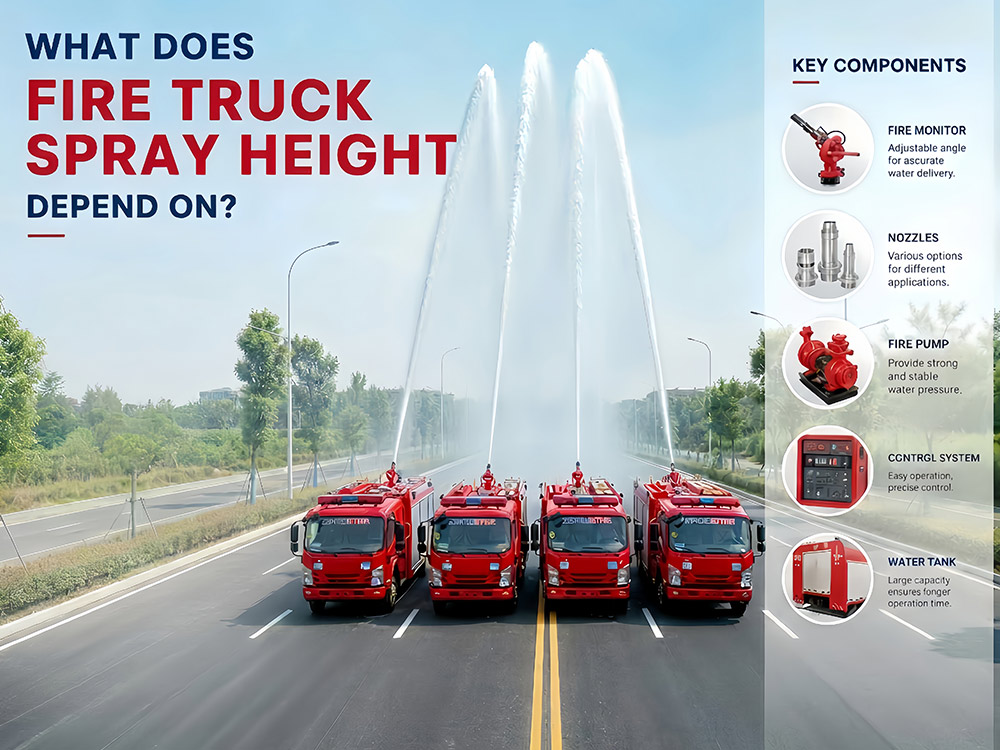
Ang pump at spray system ng fire truck ay ang pangunahing bahagi ng mga operasyon sa paglaban sa sunog. Ito ang nagsisilbing "makapangyarihang braso" ng fire truck. Sa pamamagitan ng pag-convert ng lakas ng makina sa presyon (mula 0.8 hanggang 1.4 MPa), naghahatid ito ng mga ahenteng pamatay-sunog sa taas na hanggang 85 metro — maging ito man ay sunog sa mataas na gusali sa masikip na sentro ng lungsod o sunog sa tangke ng imbakan ng petrochemical sa sonang industriyal, ang fire truck ay umaasa sa sistemang ito upang makamit ang epektibong pagsugpo sa sunog. Anong mga salik ang nakaaapekto sa taas ng pagsaboy ng fire truck, at paano nagtutulungan ang presyon ng pump, bilis ng daloy, at fire monitor? Ito ang mga pangunahing tanong ng maraming customer. Alamin natin ito ngayon. » I. Tatlong Pangunahing Bahagi na Nagtatakda ng Taas ng Pagsaboy 1. Sistema ng fire pump: Ang puso ng fire truck. Centrifugal pump na pinapagana ng PTO. Karaniwang antas ng presyon: 0.8 MPa, 1.0 MPa, 1.2 MPa, 1.4 MPa. Mga bilis ng daloy mula 2,000 hanggang higit 5,000 L/min. 2. Fire monitor: Ang huling bahagi bago lumabas sa truck ang ahenteng pamatay-sunog. Magagamit bilang water monitor, foam monitor, at dual-purpose monitor. Ang PL-series (PL48) ay may bilis ng daloy na hanggang 4,000 L/min at taas ng pagsaboy na higit 70 metro. 3. Sistema ng paghahatid: Mga tubo, hose, at nozzle na nagdadala ng ahenteng pamatay-sunog mula sa pump papunta sa monitor. Ang diyametro at haba ng hose, pati uri ng nozzle, ay nakaaapekto lahat sa huling taas ng pagsaboy. » II. Pangunahing mga Salik na Nagtatakda ng Taas ng Pagsaboy 1.1. Presyon ng Pump Ang presyon ng pump ng fire truck ay ang puwersang nalilikha ng fire pump upang itulak ang ahenteng pamatay-sunog sa mga hose at ilabas ito mula sa mga nozzle o monitor. Ito ang pangunahing nagpapagana sa bilis ng daloy at layo ng pagsaboy. Ang mas mataas na presyon ay lumilikha ng mas mataas na bilis sa labasan ng monitor, na direktang nagpapataas ng taas ng pagsaboy. Ang ugnayan ay pinamamahalaan ng pormulang H ≈ P/(ρg), kung saan ang bawat pagtaas ng 0.1 MPa ay nagdaragdag ng humigit-kumulang 10 metro ng teoretikal na taas — ngunit binabawasan ito ng mga aktuwal na pagkawala sa totoong paggamit. Sa aktuwal na operasyon ng paglaban sa sunog, ginagamit ang mga sumusunod na saklaw: Presyon ng Pump Karaniwang Taas ng Pagsaboy 0.8 MPa 35–45 metro 1.0 MPa 45–55 metro 1.2 MPa 55–70 metro 1.4 MPa 70–85 metro 1.2. Paano gumagana ang fire pump: Karaniwang isang centrifugal pump ang pump na pinapagana ng makina ng truck sa pamamagitan ng power take-off (PTO). Habang umiikot ang impeller, hinihigop nito ang ahenteng pamatay-sunog at itinutulak palabas gamit ang puwersang sentripugal, na lumilikha ng presyon upang itulak ito sa discharge system. Rated Pressure kumpara sa Operating Pressure: Termino Depinisyon Rated Pressure Ang pinakamataas na presyon na kayang panatilihin ng pump nang tuloy-tuloy sa ilalim ng mga kondisyon ng disenyo Operating Pressure A...
Mga detalye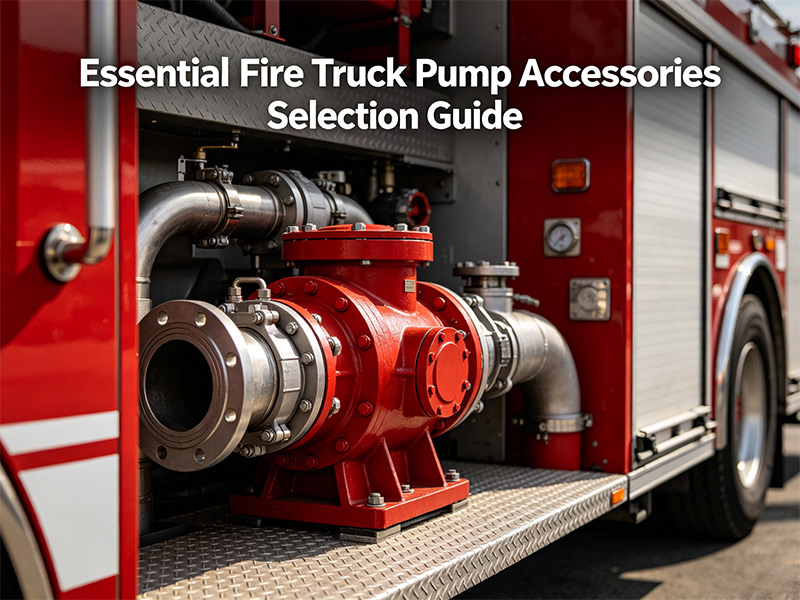
Ang sistema ng bomba ng trak ng bumbero ay kasing maaasahan lamang ng mga bahagi nito. Mula sa pagkuha ng tubig mula sa isang pinagmumulan hanggang sa pagpapalabas nito sa mataas na presyon, bawat aksesorya ay may mahalagang papel. Sinasaklaw ng gabay na ito angtrak ng bumbero limang pangunahing kategorya ng aksesorya: mga primer, balbula na bola, balbula na globo, mga proporsyuner ng bula, at mga sistemang haydroliko para sa pagkontrol. Ang pag-unawa sa mga bahaging ito ay tumutulong sa mga bumbero na panatilihin ang kanilang kagamitan at pumili ng tamang mga aksesorya para sa mga partikular na aplikasyon. I. Serye ng Primer (Mga Aparato para sa Pagpaunang Pagbuo ng Bakyum) Mahalaga ang mga primer para sa pagkuha ng tubig mula sa mga lawa, ilog, o iba pang nakapirming pinagmumulan kapag walang magagamit na hydrant. Inaalis ng mga ito ang hangin mula sa bomba at hose ng pagsipsip, na nagpapahintulot sa presyon ng atmospera na itulak ang tubig papasok sa bomba. Pangkalahatang-ideya ng Produkto Produkto Pinakamataas na Bakyum Boltahe Lakas Angkop na Laki ng Bomba 2-piston na primer >85kPa 24V - Mas mababa sa 100 L/s De-kuryenteng 2-piston na primer >85kPa 24V 2.1KW Mas mababa sa 100 L/s 4-piston na primer >85kPa 24V - Higit sa 100 L/s De-kuryenteng 4-piston na primer >85kPa 24V 2.1KW Higit sa 100 L/s Pangunahing Tampok: Mga De-kuryenteng Primer Nag-aalok ang mga de-kuryenteng primer ng malaking kalamangan — maaari nilang paandarin ang pagbuo ng primer ng bomba nang hindi umiikot ang bomba. Pinoprotektahan nito ang mekanikal na selyo mula sa pinsalang dulot ng pagtakbo nang tuyo. Kapag kinakailangan ng karaniwang primer na umikot ang bomba, gumagana nang hiwalay ang de-kuryenteng bersyon, na nagpapahaba sa buhay ng selyo. II. Serye ng Balbula na Bola (Pagkontrol ng Daloy) Kinokontrol ng mga balbula na bola ang daloy ng tubig sa pamamagitan ng mga hose at mga labasan ng pagpapalabas. Idinisenyo ang mga ito para sa mabilis na operasyon ng pagbukas/pagsara gamit ang simpleng 90° na pag-ikot. Mga Balbula na Bola na Hindi Kinakalawang na Bakal Modelo Materyal Naitalang Presyon Sinulid Pagpapatakbo FQS65/2.5 Katawan at bola: hindi kinakalawang na asero 304; Selyo: PTFE 2.5 MPa G2-1/2" Gulong na pangkamay / Pingga FQS80/2.5 Katawan at bola: hindi kinakalawang na asero 304; Selyo: PTFE 2.5 MPa G3" Gulong na pangkamay / Pingga Mga Balbula ng Bola na Gawa sa Haluang Aluminum (Mas magaan na timbang) Modelo Materyal Itinakdang Presyon Sinulid Pagpapatakbo FQS65/2.5 Katawan: A356.2; Bola: 304; Selyo: PTFE 2.5 MPa G2.5" Gulong na pangkamay / Pingga FQS80/1.6 Katawan: A356.2; Bola: 304; Selyo: PTFE 1.6 MPa G3" Gulong na pangkamay / Pingga FQS65/2.5 Kuwadrado Katawan: A356.2; Bola: 304; Selyo: PTFE 2.5 MPa - Pneumatiko / Pingga Ⅲ. Serye ng Globe Valve (Regulasyon ng Presyon at Daloy) Hindi tulad ng mga balbula ng bola na idinisenyo para sa pagpapatakbo na bukas/sarado, ang mga globe valve ay nagbibigay-daan sa tumpak na pagkontrol ng b...
Mga detalye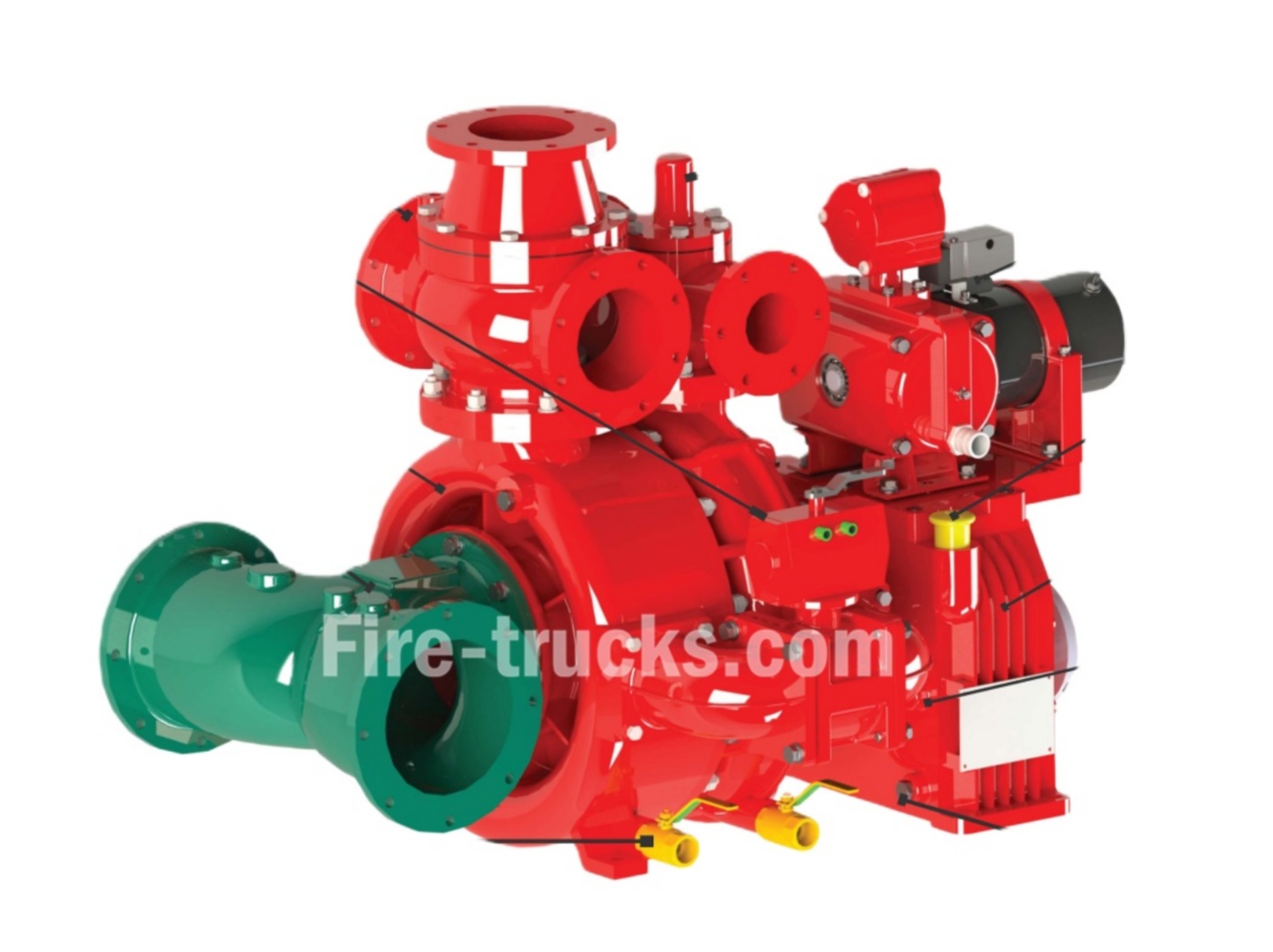
Bilang isang propesyonal na xiongzhen tagagawa ng bomba ng sunog sa Tsina, Mga Trak ng Powerstar Nagmamay-ari ng sarili nitong tatak na "Xiongzhen" na serye ng mga produkto, kabilang ang low-pressure fire pump, medium-low-pressure fire pump, at high-low-pressure vehicle-mounted fire pump, pati na rin ang mga kagamitang pansuporta tulad ng mga fire monitor at foam proportioner. Gumagamit ang mga fire pump nito ng mga bagong materyales tulad ng aluminum alloy at stainless steel, at nilagyan ng electromagnetic clutch automatic disengagement device at check valve, na nagtatampok ng mahusay na performance, simpleng operasyon, at maginhawang maintenance. Ang mga produkto ng kumpanya ay nakapasa sa type testing ng National Fire Equipment Quality Supervision and Inspection Center, CCC certification, at ISO9001 quality management system certification. Ang mga bomba ng bumbero ng Xiongzhen ay pangunahing kinabibilangan ng mga sumusunod na modelo: CB10/20-XZ, CB10/30-XZ , CB10/40-XZ, CB10/60-XZ , CB10/80-XZ, CB10/100-XZ, CB20.10/15.30-XZ, CB20.10/20.40-XZ, CB20.10/30.60-XZ, atbp. BOMBA NG BUMOBO CB10/20-XZ para sa mga trak ng bumbero MGA BOMBA NG BUMOBO CB10/30-XZ para sa mga trak ng bumbero Mga bomba ng bumbero Modelo CB10/40-XZ para sa mga bumbero sa Tsina Mga bomba ng bumbero Modelo CB10-60 para sa mga trak ng pagsagip ng bumbero Mga Pang-emerhensiyang Bomba ng Bumbero CB10/80-XZ para sa mga trak ng bombero Mga Bomba na Pang-apula ng Sunog CB10/100-XZ para sa sasakyang pang-sunog Espesipikasyon ng Sistema ng Bomba ng Sunog ng Xiongzhen CB10/100-XZ Mga Tagagawa ng Bomba ng Sunog na serye ng xiongzhen CB Mga Detalye ng Set ng Bomba ng Sunog CB10/150 Sistema ng Bomba para sa Pag-apula ng Sunog CB10/160-XZ pabrika sa xiongzhen Mga espesipikasyon ng Emergency Fire Pumps CB10/170-XZ Ipinagmamalaki ng mga Powerstar truck ang matibay na teknikal na kakayahan, may hawak na apat na patente, at gumagamit ng mga advanced na kagamitan sa produksyon tulad ng CAD drafting at CNC machine tools upang matiyak ang mataas na antas ng kwalipikasyon ng produkto at kasiyahan ng customer. Pangunahing naka-target ang mga produkto nito sa mga planta ng pagbabago ng trak ng bumbero at mga brigada ng bumbero. Mga detalye ng bomba ng bumbero ng CB20.10 20.40 Bomba ng Sunog CB20.10 30.60-XZ mula sa pabrika ng xiongzhen Bomba ng bumbero na serye ng CB20/15-XZ bomba para sa bumbero para sa emerhensiya na serye ng CB20/20-XZ Mga detalye ng Pag-install ng Bomba ng Sunog CB20 25 Narito ang iskedyul ng maintenance para sa iyong XIONGZHEN mga bomba ng bumbero , ikinategorya ayon sa linggo, buwan, quarter, at taon para sa madaling sanggunian: 01, Pang-araw-araw na Inspeksyon ng Bomba ng Bumbero ng Powersar: Suriin ang start-stop pressure at frequency ng pressure-stabilizing pump. Suriin ang panimulang lakas ng baterya ng fire pump ng diesel engine. Suriin ang hitsura ng mga balbulang pangkontrol ng pinagmumulan ng tubig at mga asembliya ng balbulang pang-alarma para sa pinsala. 02, Bomba ng ...
Mga detalye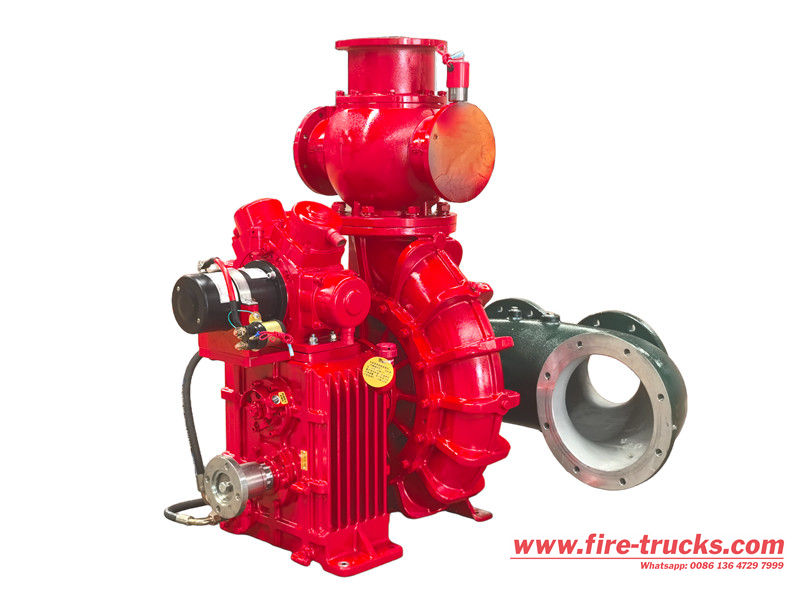
Ang CB10/140 foam fire fighting pump ay isang karaniwang ginagamit na sistema ng suplay ng tubig para sa sunog na nakakabit sa sasakyan o nakatigil na may rated pressure na 1.0 MPa at rated flow rate na 140 L/s, na nakakatugon sa mga pangunahing pangangailangan sa suplay ng tubig ng mga sistema ng pagpapaputok ng bumbero. Ang katawan ng bomba at impeller ay gawa sa mataas na kalidad at hindi tinatablan ng pagkasira, na nag-aalok ng resistensya sa kalawang at mataas na presyon. Nagtatampok ito ng dual-inlet na disenyo para sa mabilis na paglipat ng pinagmumulan ng tubig at pinapagana ng isang high-efficiency na motor o diesel engine, na nakakamit ng startup response time na 30 segundo o mas maikli pa. Dahil sa compact na disenyo, madaling pagpapanatili, at maaasahang operasyon, ang Bomba para sa pagpapaputok ng foam na CB10/140 ay isang mahalagang kagamitan para matiyak ang mahusay na suplay ng tubig para sa mga operasyon sa pag-apula ng sunog. Ang CB10/140-XZ low-pressure truck-mounted fire pump ay nagtatampok ng single-stage centrifugal structure na may aluminum alloy pump casing at brass impeller. Gumagamit ito ng electric four-piston water priming system na may electric switching. Ang opsyonal na CB10/20 foam pump ay gumagamit ng pneumatic separation mechanism. Ang produktong ito ay nag-aalok ng mahusay na performance, compact na istraktura, simpleng operasyon, at madaling maintenance. Ang CB10/140-XZ fire pump ay isang single-stage centrifugal water pump na ginagamit sa mga trak ng bumbero, na nailalarawan sa pamamagitan ng two-piston priming device nito na awtomatikong nakikipag-ugnayan at kumakalas. Ito ay dinisenyo para sa mataas na pagganap na may compact na istraktura, madaling operasyon, at maginhawang pagpapanatili. Kabilang sa mga pangunahing detalye ang flow rate na \(140\) L/s at outlet pressure na \(1.0\) MPa sa rated speed na \(2600) r/min. » . Prinsipyo ng pagpapatakbo ng CB10/140 foam fire fighting pump ● Pag-inom ng tubig at foam concentrate: Ang tubig ay kinukuha mula sa isang suplay, at ang foam concentrate ay kinukuha mula sa tangke ng imbakan nito. ● Pagpoproporsyon: Hinahalo ng proportioner ang foam concentrate sa tubig sa isang paunang natukoy na proporsyon. ● Presyon: Pinipilit ng bomba ang halo, pinapataas ang bilis at presyon nito. ● Paglabas: Ang solusyon ng pressurized foam ay itinutulak sa discharge hose papunta sa nozzle, kung saan ito ibinubuga sa apoy. ● Pagsugpo sa sunog: Binabalutan ng foam ang pinagmumulan ng gasolina, inihihiwalay ito mula sa oxygen at pinapatay ang apoy. » . Detalyadong pagpapakilala ng CB10/140 foam fire fighting pump 1. Superior na Disenyo ng Istruktura, Matatag at Maaasahang Pagganap: ● Ang Bomba ng bumbero ng CB10/140 Nagtatampok ng single-stage centrifugal na disenyo at gawa sa high-strength aluminum alloy, na nag-aalok ng mga bentahe tulad ng magaan, resistensya sa kalawang, at resistensya sa mataas na temperatura. ● Ang panloob na istruktura ng bomba ay may katumpakan ng makina, na ti...
Mga detalye
Mangyaring magpatuloy sa pagbabasa, manatiling nakaantabay, mag-subscribe, at malugod naming hinihintay ang inyong mga komento.

 Suportado ang network ng IPv6

 Filipino
 English
 français
 Deutsch
 русский
 italiano
 español
 português
 Nederlands
 العربية
 日本語
日本語 한국의
한국의 Türkçe
 Melayu
 ไทย
ไทย Tiếng Việt
 Indonesia
  中文
中文 қазақ
қазақ မြန်မာ
 српски