Mag-iwan ng Mensahe
Kung interesado ka sa aming mga produkto at gusto mong malaman ang higit pang mga detalye, mangyaring mag-iwan ng mensahe dito, sasagutin ka namin sa lalong madaling panahon.

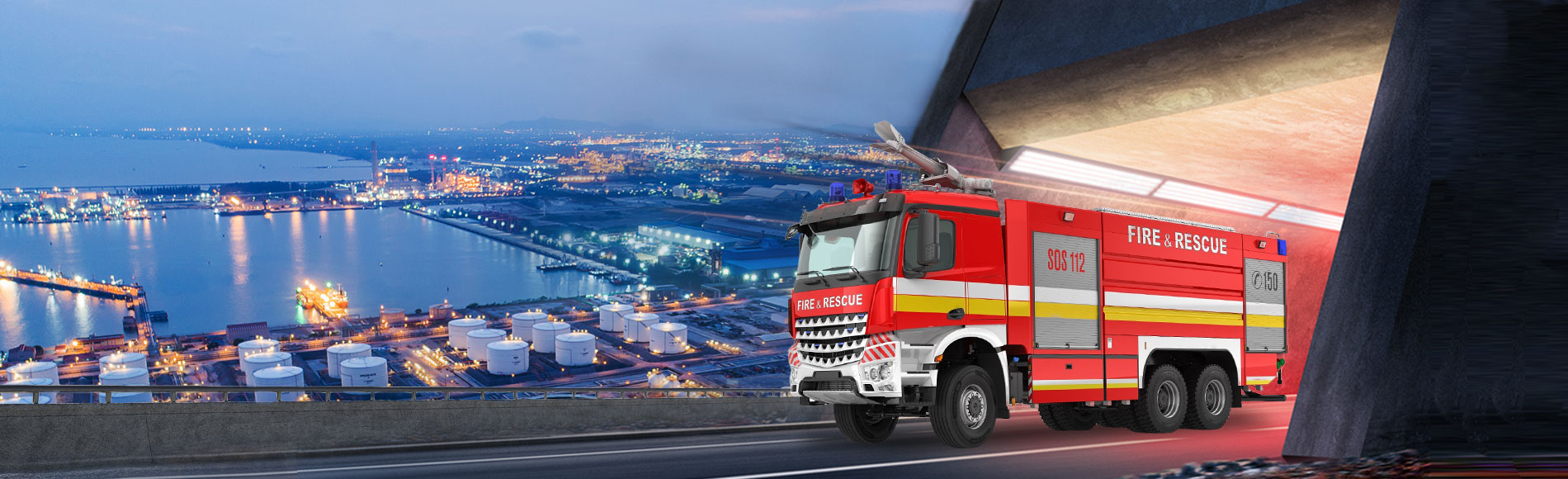
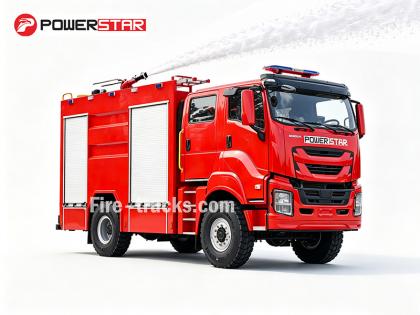
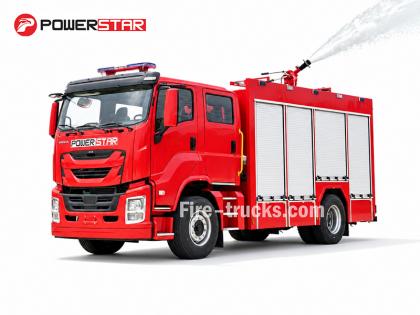
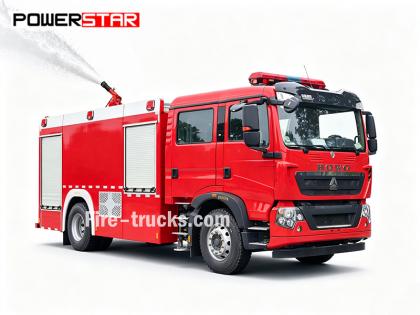
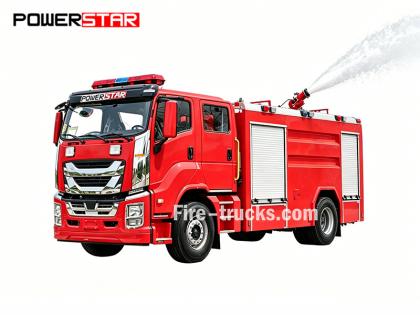
Mga trak ng bumbero na may tubig Patayin ang mga ordinaryong sunog na kinasasangkutan ng kahoy, papel, at tela. Ang mga foam fire truck ay pumapatay ng mga nasusunog na likidong apoy tulad ng gasolina at langis. Alin ang tama ay depende sa mga panganib na naroroon.
Isang trak ng bumbero ng tubig Nagdadala ng malaking tangke ng tubig at umaasa sa isang high-pressure pump upang maghatid ng tubig sa pamamagitan ng mga hose o isang deck gun. Ito ang pinakakaraniwang uri ng trak ng bumbero na ginagamit ng mga departamento ng bumbero ng munisipyo at mga lugar na pang-industriya sa buong mundo.
Isang trak ng bumbero na gawa sa foam Sa kabilang banda, ang foam ay espesyal na idinisenyo upang magdala at maghatid ng foam para sa pamatay-sunog. Kapag ang tubig lamang ay hindi kayang epektibong mapatay ang apoy — tulad ng sa mga nasusunog na likido, kemikal, o mga apoy na dulot ng panggatong — ang foam ang mas mainam na pagpipilian. Gumagana ang foam sa pamamagitan ng paglikha ng kumot sa ibabaw ng apoy, na pumipigil sa oxygen at pumipigil sa muling pagsiklab.
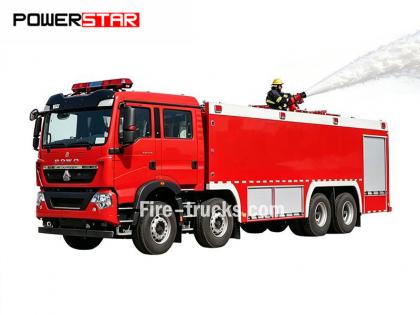
Ang isang trak ng bumbero na gumagamit ng tubig ay eksakto kung ano ang tunog nito — isang sasakyan na may malaking tangke ng tubig, isang malakas na bomba, at mga hose o monitor upang maghatid ng tubig sa mga sunog. Ang tangke ng tubig ay karaniwang naglalaman ng nasa pagitan ng 500 at 3,000 galon (humigit-kumulang 2,000 hanggang 12,000 litro). Ang bomba ay kumukuha ng tubig mula sa tangke o mula sa isang panlabas na pinagmumulan tulad ng isang fire hydrant, lawa, o lawa-dagat, pagkatapos ay itinutulak ito sa mga hose sa ilalim ng mataas na presyon.
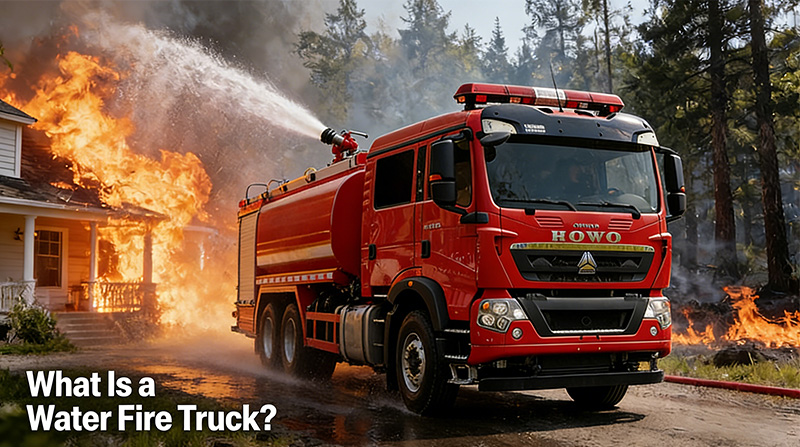
Kung saan pinakamahusay na gumagana ang mga trak ng bumbero na may tubig:
Ang mga water fire truck ay mainam para sa Mga sunog na Klase A , na kinabibilangan ng mga ordinaryong nasusunog na bagay:
Kahoy at tabla
Papel at karton
Tela at tela
Goma at plastik
Damo, palumpong, at mga materyales sa kagubatan
Kung ang sunog ay may kinalaman sa mga materyales na nasusunog sa isang bahay, bodega, o bukid, karaniwang tubig ang makakapatay nito.
Mga Limitasyon ng Tubig:
Ang tubig ay may isang malaking kahinaan. Kapag inispray sa mga nasusunog na likido tulad ng gasolina, langis, o mga kemikal, lumulubog ang tubig dahil mas mabigat ito kaysa sa mga panggatong na ito. Ang panggatong ay lumulutang sa ibabaw at patuloy na nasusunog. Sa ilang mga kaso, maaari pang kumalat ang apoy sa mas malawak na lugar. Kaya naman ang tubig lamang ay hindi epektibo para sa mga nasusunog na likido.
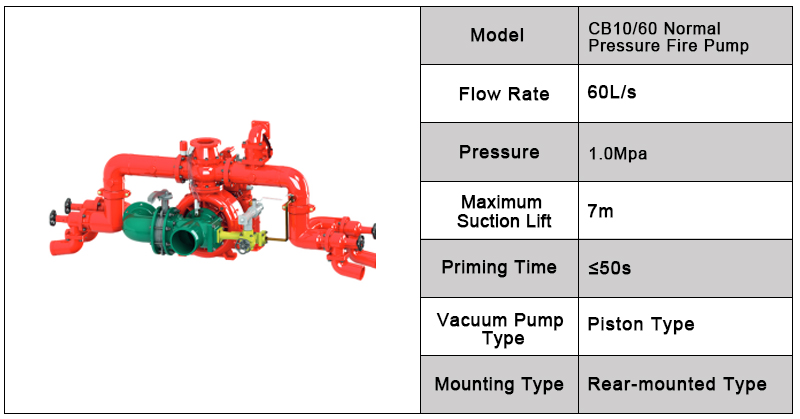
Mga detalye ng bomba ng bumbero para sa trak ng bumbero:
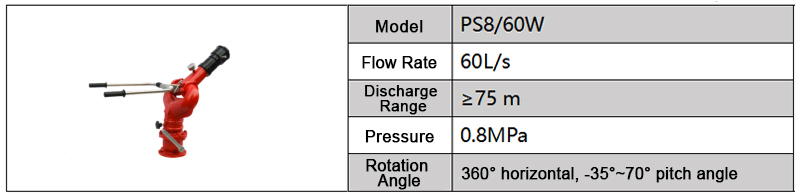
Trak ng bumbero na may tubig monitor ng sunog mga detalye:
Ang foam fire truck ay isang espesyal na sasakyan na idinisenyo upang maghatid at maghatid ng foam para sa pamatay-sunog. Nagdadala ito ng dalawang magkahiwalay na tangke — isa para sa tubig at isa para sa foam concentrate. Hinahalo ng foam proportioning system ang dalawa sa isang partikular na proporsyon, karaniwang 1%, 3%, o 6% foam concentrate sa tubig. Ang timpla na ito ay dumadaan sa isang foam nozzle kung saan idinaragdag ang hangin, na lumilikha ng isang lumawak at matatag na foam blanket.
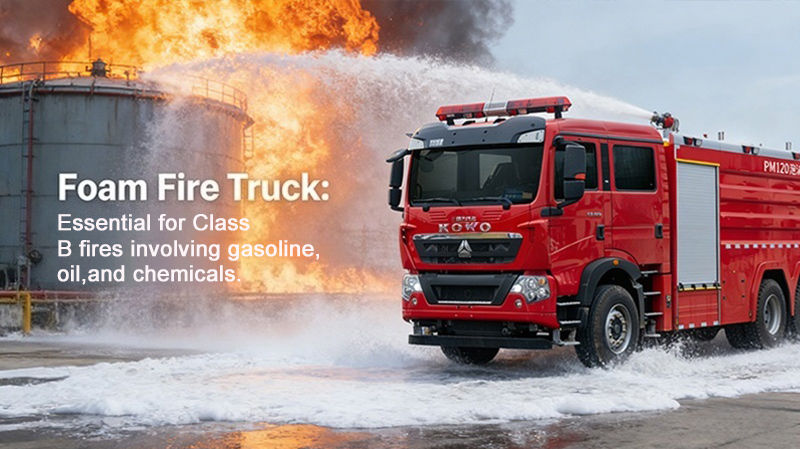
Paano gumagana ang bula:
Ang foam ay bumubuo ng isang patong sa ibabaw ng nasusunog na likido o materyal. Ang kumot na ito:
Pinuputol ang suplay ng oxygen sa apoy
Pinapalamig ang ibabaw ng gasolina
Pinipigilan ang paglabas ng mga nasusunog na singaw
Pinipigilan ang apoy na muling magliyab
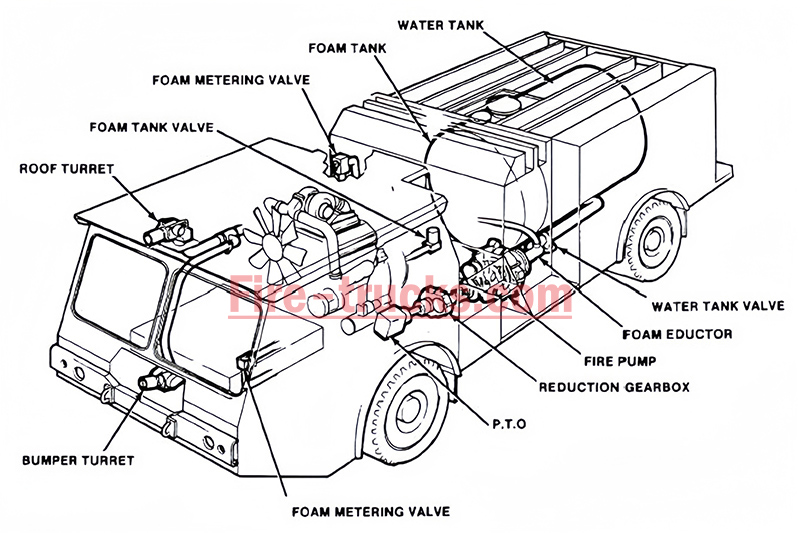
Kung saan pinakamahusay na gumagana ang mga foam fire truck:
Ang mga foam fire truck ay mahalaga para sa Mga sunog na Klase B , na kinabibilangan ng mga nasusunog at madaling magliyab na likido:
Gasolina at diesel
Panggatong ng jet at kerosene
Langis at grasa
Alkohol at etanol
Mga kemikal na pang-industriya
Epektibo rin ang foam para sa ilang partikular na sunog na Class A kung saan nahihirapan ang tubig lamang, tulad ng mga sunog sa mga bodega na may nakasalansan na mga paninda o mga pasilidad ng imbakan ng gulong.
Mga karaniwang aplikasyon:
| Aplikasyon | Bakit Gumagana ang Foam |
| Mga Paliparan | Ang mga sunog na gawa sa jet fuel ay nangangailangan ng foam; hindi gagana ang tubig |
| Mga refinery ng langis | Malaking dami ng mga nasusunog na likido sa lugar |
| Mga planta ng kemikal | Mga kemikal na lumulutang sa tubig at patuloy na nasusunog |
| Mga depot ng imbakan ng gasolina | Mga tangke ng gasolina at diesel sa lahat ng dako |
| Mga minahan at mga plataporma sa malayo sa pampang | Mga lugar na may mataas na peligro na may mga mapanganib na materyales |
| Mga pasilidad ng petrokemikal | Pinipigilan ng foam ang muling pag-aapoy at kinokontrol ang singaw |
Ang proseso ng paghahalo ng bula:
Ang foam na ginagamit sa industriyal na pag-apula ng sunog ay nalilikha sa pamamagitan ng paghahalo ng foam concentrate sa tubig, pagkatapos ay pinapahangin ang timpla upang bumuo ng isang matatag na foam. Ang foam na ito ay inihahatid sa pamamagitan ng mga hose, nozzle, o foam monitor system para sa tumpak na pagsakop at aplikasyon.
Mga Limitasyon ng Foam:
Mas mahal ang pagbili ng mga foam truck. Nangangailangan ang mga ito ng karagdagang tangke at isang proportioning system. Ang foam concentrate mismo ay isang patuloy na gastos. Ang sistema ay nangangailangan din ng regular na pagsusuri upang matiyak na tama ang paghahalo nito. Kung ang iyong pasilidad ay bihirang makaranas ng sunog sa likidong panggatong, ang karagdagang gastos ay maaaring hindi makatwiran.
Mga detalye ng bomba ng bumbero na gawa sa foam:
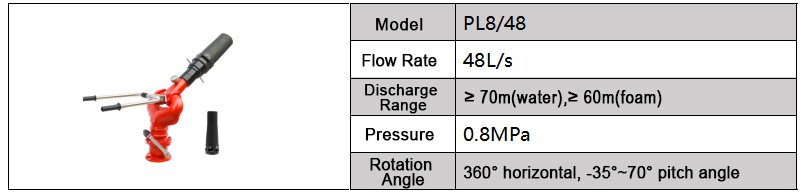
Trak ng bumbero na gawa sa foam monitor ng sunog mga detalye:
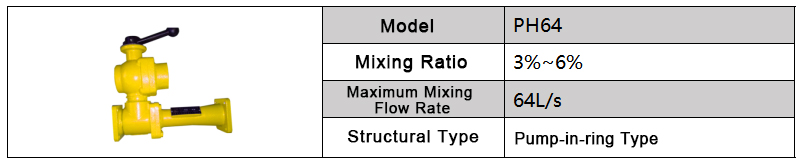
Trak ng bumbero na gawa sa foam pangporsyon ng bula mga detalye:
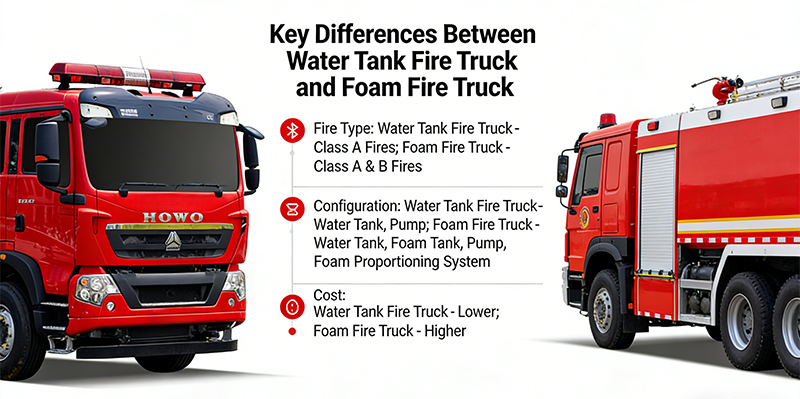
› Paraan ng pag-apula ng sunog: Gumagamit ang water truck ng tubig upang palamigin at apulahin ang sunog; Gumagamit ang foam truck ng foam blanket upang takpan at putulin ang oxygen.
› Pangunahing uri ng bumbero: Mga hawakan ng trak ng tubig Class A (kahoy, papel, tela, plastik); Mga hawakan ng trak ng foam Class B (gasolina, langis, kemikal, jet fuel).
› Konfigurasyon ng tangke: Tangke ng tubig lang ang mayroon ang trak ng tubig; Ang trak ng foam ay may tangke ng tubig at tangke ng foam concentrate.
› Mga karagdagang sistema: Wala ang trak ng tubig; Ang trak ng foam ay may sistema ng proporsyon ng foam.
› Bilis at kahusayan: Maaasahan ang trak ng tubig ngunit maaaring mangailangan ng mas maraming tubig; Mas mabilis na natutunaw ng trak ng foam ang mga sunog na panggatong.
› Gastos sa pagbili: Mas mababa ang trak ng tubig; Mas mataas ang trak ng foam.
› Paraan ng pag-apula ng sunog: Gumagamit ang water truck ng tubig upang palamigin at apulahin ang sunog; Gumagamit ang foam truck ng foam blanket upang takpan at putulin ang oxygen.
› Pangunahing uri ng bumbero: Mga hawakan ng trak ng tubig Class A (kahoy, papel, tela, plastik); Mga hawakan ng trak ng foam Class B (gasolina, langis, kemikal, jet fuel).
› Konfigurasyon ng tangke: Tangke ng tubig lang ang mayroon ang trak ng tubig; Ang trak ng foam ay may tangke ng tubig at tangke ng foam concentrate.
› Mga karagdagang sistema: Wala ang trak ng tubig; Ang trak ng foam ay may sistema ng proporsyon ng foam.
› Bilis at kahusayan: Maaasahan ang trak ng tubig ngunit maaaring mangailangan ng mas maraming tubig; Mas mabilis na natutunaw ng trak ng foam ang mga sunog na panggatong.
› Gastos sa pagbili: Mas mababa ang trak ng tubig; Mas mataas ang trak ng foam.
Kapag nagpapasya sa pagitan ng water fire truck at foam fire truck, isaalang-alang ang mga partikular na panganib sa sunog sa iyong pasilidad.
Ang mga pangunahing panganib sa sunog ay kinabibilangan ng mga ordinaryong bagay na madaling magliyab. Ang mga gusali, bodega, opisina, paaralan, at mga bahay ay nasusunog gamit ang mga materyales na Class A. Ang tubig ay gumagana nang perpekto.
Nagtatrabaho ka sa pangkalahatang pagmamanupaktura, pagmimina, o konstruksyon. Ang mga lugar na ito ay nangangailangan ng mabilis at madaling mapuntahang proteksyon sa sunog. Ang mga trak ng tubig ay maaasahan at matipid.
Mayroon kang access sa mga pinagkukunan ng tubig. Kung ang iyong lugar ay may mga fire hydrant, lawa, o ilog, maaari mong mabilis na lagyan muli ang iyong tangke.
Limitado ang iyong badyet. Mas mura ang pagbili at pagpapanatili ng mga trak ng tubig. Hindi mo kailangang bumili ng foam concentrate o magbayad para sa karagdagang pagsusuri.
Pinupuksa mo ang mga sunog sa kagubatan o damo. Tubig ang karaniwang kagamitan para sa mga sunog sa halaman.
Ang inyong pasilidad ay humahawak ng mga nasusunog na likido. Ang mga planta ng kemikal, mga refinery ng langis, mga depot ng imbakan ng gasolina, at mga gasolinahan ay pawang nahaharap sa mga panganib ng sunog na Class B. Mahalaga ang foam.
Ikaw ang namamahala ng isang paliparan. Hindi mapapatay ang apoy na dulot ng jet fuel gamit lamang ang tubig. Kinakailangan ang foam ayon sa mga regulasyon sa kaligtasan sa abyasyon.
Nagtatrabaho ka sa mga pasilidad ng petrokemikal, mga minahan, o mga plataporma sa malayo sa pampang. Ang mga lugar na ito na may mataas na panganib ay nangangailangan ng foam upang makontrol ang mga nasusunog na likido at maiwasan ang muling pagsiklab.
Kailangan mong maiwasan ang pinsala sa kapaligiran. Nakakatulong ang foam na pigilan ang mga mapanganib na materyales sa panahon ng sunog, kaya nababawasan ang pagkalat ng mga mapanganib na sangkap.
Ang inyong departamento ay nahaharap sa magkahalong panganib. Kung tutugon ka sa parehong sunog sa gusali at natapon na gasolina, ang isang foam truck ay magbibigay sa iyo ng kakayahang umangkop.
Maraming modernong trak ng bumbero ang idinisenyo upang humawak ng tubig at foam. Ang mga trak na ito ay may magkakahiwalay na tangke ng tubig at foam na may proporsyon na sistema na nagbibigay-daan sa paglipat sa pagitan ng tubig lamang, foam lamang, o isang halo. Ang konpigurasyong ito ay nag-aalok ng pinakamataas na kakayahang umangkop at kadalasan ay ang pinakamahusay na pagpipilian para sa mga pasilidad na nahaharap sa magkahalong panganib ng sunog.
Ang mga water fire truck ay maaasahan at abot-kayang mga kagamitan para sa mga ordinaryong sunog na may kinalaman sa kahoy, papel, tela, at plastik. Ang mga foam fire truck ay mga espesyalistang mahalaga para sa mga nasusunog na likido tulad ng gasolina, diesel, at mga kemikal. Kapag may magkahalong panganib, ang isang dual-purpose truck na naghahatid ng parehong tubig at foam ay nag-aalok ng pinakamagandang halaga.


Maaari kang maging interesado sa mga sumusunod na impormasyon
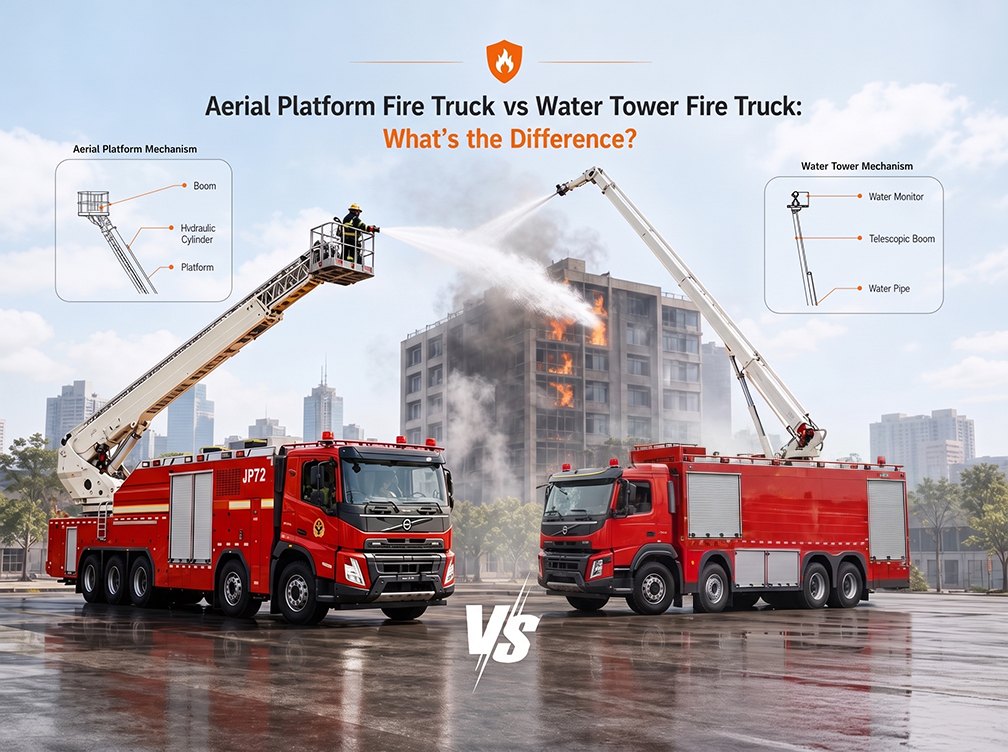
Pagdating sa paglaban sa sunog sa mga mataas na gusali, pasilidad pang-industriya, o malalaking bodega, kailangang-kailangan ang mga trak ng pamatay-sunog na panghimpapawid. Ngunit sa iba't ibang uri ng kagamitang panghimpapawid, dalawa ang madalas na nagdudulot ng kalituhan: angtrak ng pamatay-sunog na may platapormang panghimpapawid at angtrak ng pamatay-sunog na tore ng tubig. Bagama't magkahawig sila sa unang tingin—parehong may mga haydrolikong braso at dinisenyo para sa pagpapatay ng sunog sa matataas na lugar—nagsisilbi sila ng lubhang magkaibang mga misyon. Ipinapaliwanag ng artikulong ito ang mahahalagang pagkakaiba sa pagitan ng dalawang uri ng sasakyang ito, na tumutulong sa mga propesyonal sa serbisyo ng bumbero, mga tagapamahala ng pagkuha, at mga distributor ng kagamitan na gumawa ng mga may-kabatirang desisyon batay sa mga pangangailangang pang-operasyon. I. Ano ang mga Trak na may Platapormang Panghimpapawid? Ayon sa pambansang pamantayang Tsino na GB 7956.12-2015, parehong kabilang ang dalawang sasakyan sa kategorya ngmga sasakyang panlaban sa sunog na panghimpapawid—mga sasakyang nilagyan ng mga nakaaangat na braso, umiikot na mesa, at kagamitang pamuksa ng sunog para sa mga operasyon sa matataas na lugar. Gayunpaman, binibigyang-diin ng kanilang mga tiyak na depinisyon ang isang mahalagang pagkakaiba. Trak ng Pamatay-sunog na may Platapormang Panghimpapawid Ang trak ng pamatay-sunog na may platapormang panghimpapawid ay nilagyan ng natitiklop o kombinasyong natitiklop-teleskopikong braso, plataporma para sa tauhan, umiikot na mesa, at mga kagamitang pamuksa ng sunog . Ang pangunahing katangian ay angplataporma sa paggawa (balde) sa dulo ng braso, kung saan maaaring tumayo ang mga bumbero upang magsagawa ng mga operasyon ng pagsagip at pagpapatay ng sunog. Mga pangunahing katangian:• Nilagyan ng platapormang maaaring magdala ng750 libra hanggang mahigit 1,500 libra na tauhan at kagamitan• Dinisenyo para sa parehongpagsagip at pagpapatay ng sunog—maaaring direktang magpatakbo ang mga bumbero mula sa plataporma• Maaaring gamitin ang plataporma kasama ng mga aparatong kumokontrol sa pagbaba, mga haydrolikong panghila, o mga daluyang pansagip• Mas malawak na abot nang pahalang at mas malaking saklaw ng pagtatrabaho kumpara sa mga tore ng tubig II. Ano ang mga Trak ng Pamatay-sunog na Tore ng Tubig? Ang trak ng pamatay-sunog na tore ng tubig ay nilagyan ng natitiklop o kombinasyong natitiklop-teleskopikong braso, umiikot na mesa, at mga kagamitang pamuksa ng sunog—nang walang plataporma para sa tauhan. Sa halip, isang monitor ng sunog (kanyon ng tubig) ang nakakabit sa dulo ng braso, na maaaring kontrolin nang malayuan mula sa lupa. Mga pangunahing katangian:•Walang plataporma para sa tauhan—nagpapatakbo ang mga bumbero mula sa lupa sa pamamagitan ng remote control• Nakatuon lamang sapagpigil ng sunog sa matataas na lugar, hindi sa pagsagip• Naghahatid ng pambihirang lakas ng daloy ng tubig—lumalampas sa 2,000 galon bawat minutos...
Mga detalye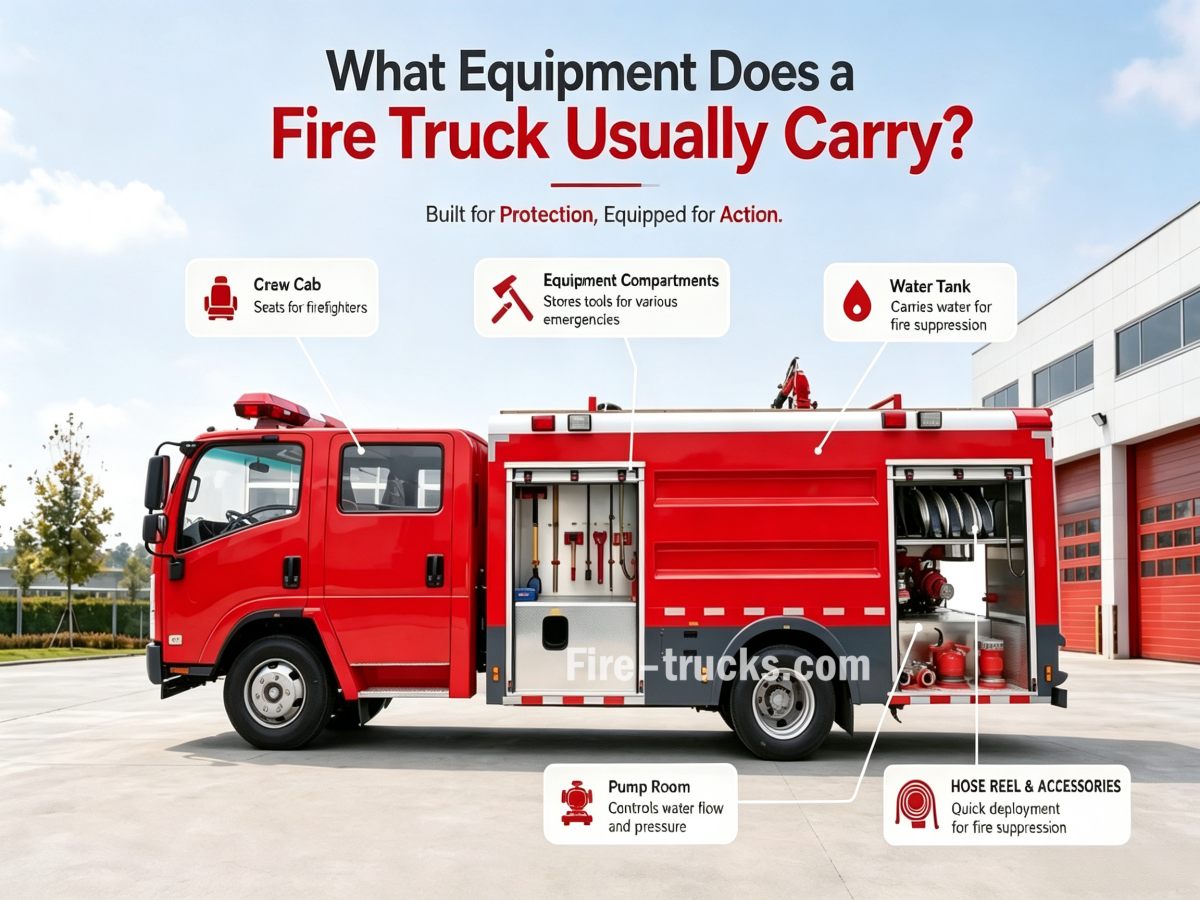
Ang isang trak ng bumbero ay karaniwang nagdadala ng mga kagamitang panlaban sa sunog, suplay ng tubig, pagsagip, at proteksiyong pangkaligtasan. Kasama sa mga karaniwang kagamitan ang mga bomba ng tubig para sa sunog, tangke ng tubig, mga hose ng pamatay-sunog, mga nguso ng buga ng tubig, mga monitor ng sunog, mga balbula, hagdan ng bumbero, mga kasangkapang pangsagip, kagamitang pamproteksiyon, at mga aparatong pangkomunikasyon. Ang artikulong ito ay sistematikong naghihimay ng klasipikasyon, mga gamit, at mga konsiderasyon sa pagpili ng pamantayangkagamitan ng trak ng bumbero , na tumutulong sa mga propesyonal sa pagkuha ng kagamitan at mga end-user na magkaroon ng ganap na pag-unawa sa mga pagsasaayos ng mga aparatong panlaban sa sunog. I. Klasipikasyon ng Kagamitan ng Trak ng Bumbero 1. Kagamitang Panlaban sa Sunog— Mga pangunahing kasangkapan para sa direktang pagpigil ng sunog, kabilang ang mga nguso ng buga ng tubig, monitor ng sunog, hose ng pamatay-sunog, mga pamahagi ng tubig, at mga adaptor. 2. Kagamitang Pagsagip at Pagbubukas ng Harang— Mga kasangkapan para sa paggawa ng mga daanan para sa mga operasyon ng pagsagip at paglaban sa sunog, kabilang ang mga haydrolikong kasangkapan sa pagsagip, palakol ng bumbero, pambukas na pingga, bareta, lagaring pangputol, at lagaring de-kadena. 3. Kagamitang Pagsagip at Pagpapanatili ng Buhay— Mga kagamitan para sa paghahanap, paglilipat, at proteksiyon ng mga tauhan, kabilang ang mga stretcher, lubid pangsagip, kawit pangkaligtasan, mga aparatong kumokontrol sa pagbaba, pansariling kagamitang panghinga (SCBA), at mga ekstrang silindro ng hangin. 4. Kagamitang Pang-alis ng Usok at Ilaw— Mga kagamitan para mapabuti ang mga kondisyon sa lugar ng sunog, kabilang ang mga pangbuga ng usok, mga mobile na tore ng ilaw, at mga portable na searchlight na may mataas na intensidad. 5. Personal na Kagamitang Pamproteksiyon (PPE)— Mga gamit para protektahan ang kaligtasan ng mga bumbero, kabilang ang mga helmet, damit na pamproteksiyon para sa istrukturang pamatay-sunog, guwantes, bota, at sinturong pangkaligtasan. 6. Kagamitang Pangkomunikasyon at Rekonosisansiya— Mga kagamitan para sa pangangalap ng impormasyon sa lugar ng sunog at koordinasyon ng pamumuno, kabilang ang mga two-way radio, thermal imaging camera, at mga detektor ng nakalalasong gas. II. Kagamitang Panlaban sa Sunog sa mga Trak ng Bumbero 1. Bomba ng Tubig para sa Sunog Ang bomba ng tubig para sa sunog ang pinagmumulan ng kapangyarihan para sa lahat ng operasyon ng paglaban sa sunog. Mekanikal nitong pinapataas ang presyon ng tubig, na nagbibigay rito ng sapat na enerhiyang kinetiko upang makumpleto ang buong proseso ng "pagkuha ng tubig → pagpapataas ng presyon → paghahatid → pagpapalabas." Karaniwang mga espesipikasyon ng bomba ng tubig para sa sunog: •Karaniwang Presyur na Bomba ng Tubig para sa Sunog (uri ng CB10/30):Daloy na ≥30L/s, nakatakdang presyon na 1.0MPa, pagkakabit sa likurang bahagi. Angkop para sa mga karaniwang trak ng tangke ...
Mga detalye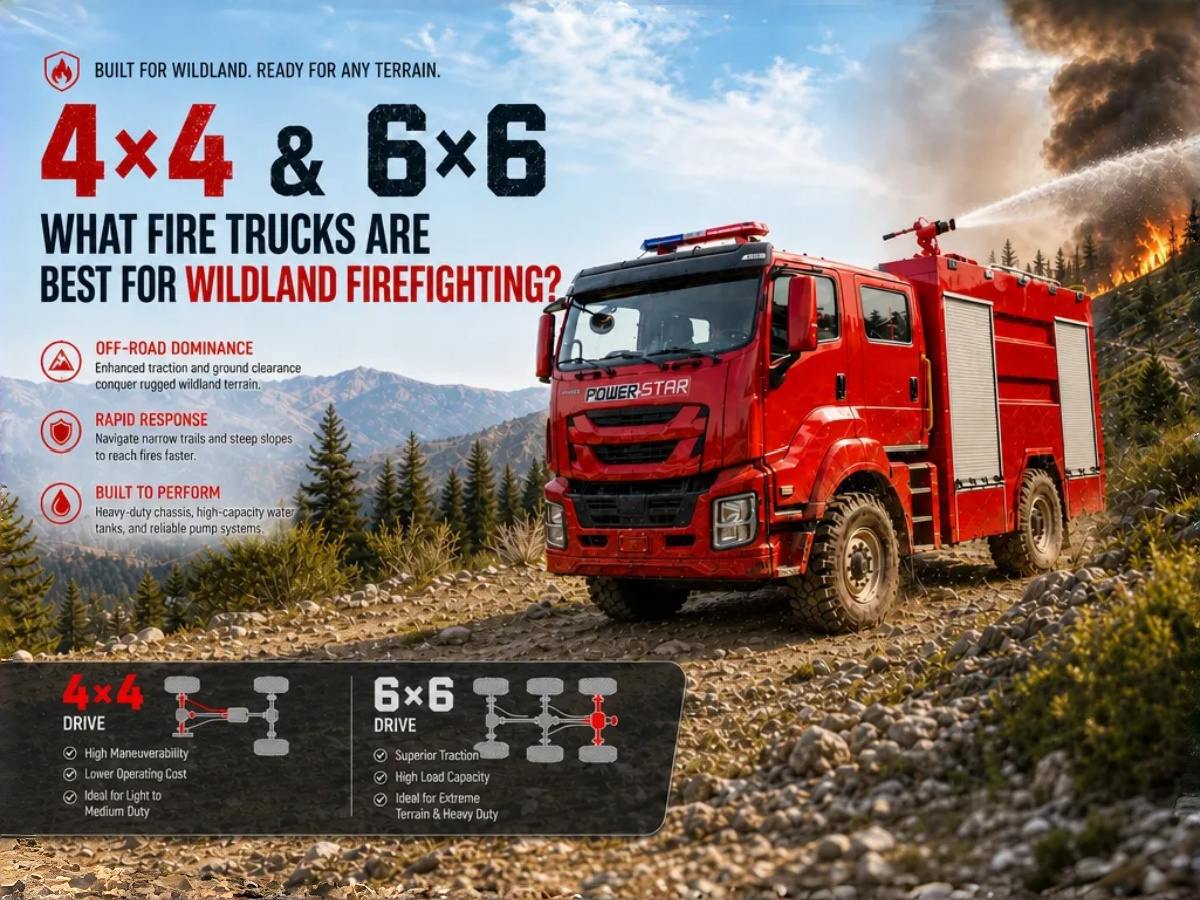
Ang paglaban sa mga sunog sa kagubatan at kaparangan ay may mga hamong pangunahing naiiba sa paglaban sa mga sunog sa gusali. Sa malalayong kagubatan, damuhan, at bulubunduking lupain, kailangang dumaan ang mga trak ng bumbero sa makikitid na daan, umakyat sa matatarik na dalisdis, at gumana nang malayo sa mga hydrant o pinagkukunan ng tubig. Ang pagpili ng tamang trak panlaban sa sunog ay isang estratehikong desisyon na direktang nakaaapekto sa oras ng pagtugon, kaligtasan ng mga tauhan, at pagiging epektibo ng pagsugpo sa sunog. Nagbibigay ang artikulong ito ng komprehensibong pagsusuri ng mga pinakaangkop na uri ng trak ng bumbero para sa paglaban sa mga sunog sa kagubatan at kaparangan, ang kanilang mahahalagang katangian, at mga paraan ng pagpili, upang matulungan kang gumawa ng tamang desisyon batay sa iyong partikular na pangangailangan sa operasyon. Mabilis na Sagot Ang mga sunog sa kagubatan at kaparangan ay nailalarawan sa malalawak na lugar ng sunog, masalimuot na lupain, limitadong pinagkukunan ng tubig, at mahihirap na kondisyon ng daan, kaya walang iisang trak ng bumbero na kayang humawak sa lahat ng sitwasyon ng sunog sa kagubatan. Sa pangkalahatan, pangunahing ginagamit sa paglaban sa mga sunog sa kagubatan at kaparangan ang mga sumusunod na uri ng trak ng bumbero: • Mga magagaan na trak panlaban sa sunog sa kagubatan at kaparangan: para sa pagdaan sa mga daan sa kagubatan at mabilis na pagtugon• Mga 4×4 na trak panlaban sa sunog sa kagubatan at kaparangan: para sa bulubundukin at maburol na lupain• Mga 6×6 na trak panlaban sa sunog sa kagubatan at kaparangan: para sa malalawak na sunog sa kagubatan at matagalang operasyon• Mga tangker ng tubig: para sa tuloy-tuloy na suplay ng tubig at suporta• Mga trak panlaban sa sunog na gumagamit ng bula: para sa mga pasilidad ng langis, kagamitang pangkagubatan, o espesyal na uri ng sunog• Mga sasakyang pangresponde: para sa komunikasyon, pag-iilaw, pagbubukas ng daan, at suporta sa logistika I. Bakit Nangangailangan ang mga Sunog sa Kagubatan at Kaparangan ng Espesyal na Trak ng Bumbero? Pangunahing naiiba ang mga sunog sa kagubatan at kaparangan sa mga sunog sa gusali sa ilang mahahalagang paraan: Mahahalagang katangian ng mga sunog sa kagubatan at kaparangan:• Malalawak na lugar ng sunog na umaabot sa ektarya ng lupain• Mabilis na nagbabagong direksiyon ng hangin• Masalimuot at mabatong lupain• Limitado o walang akses sa mga hydrant o pinagkukunan ng tubig• Makikitid at hindi sementadong mga daan sa kagubatan• Mahihirap na kondisyon sa komunikasyon Karaniwang hindi angkop ang mga karaniwang trak ng bumbero sa lungsod para sa paglaban sa mga sunog sa kagubatan at kaparangan dahil sa mga sumusunod na dahilan: • Kulang sa 4×4 o lahat-ng-gulong na sistema para sa hindi sementadong mga daang bundok at matatarik na dalisdis;• Ang mas malaking sukat at mababang layo sa lupa ay nagiging dahilan upang madali silang maipit sa makikitid na daan sa kagubatan at malambot na lupain;• Ang mga bomba sa l...
Mga detalye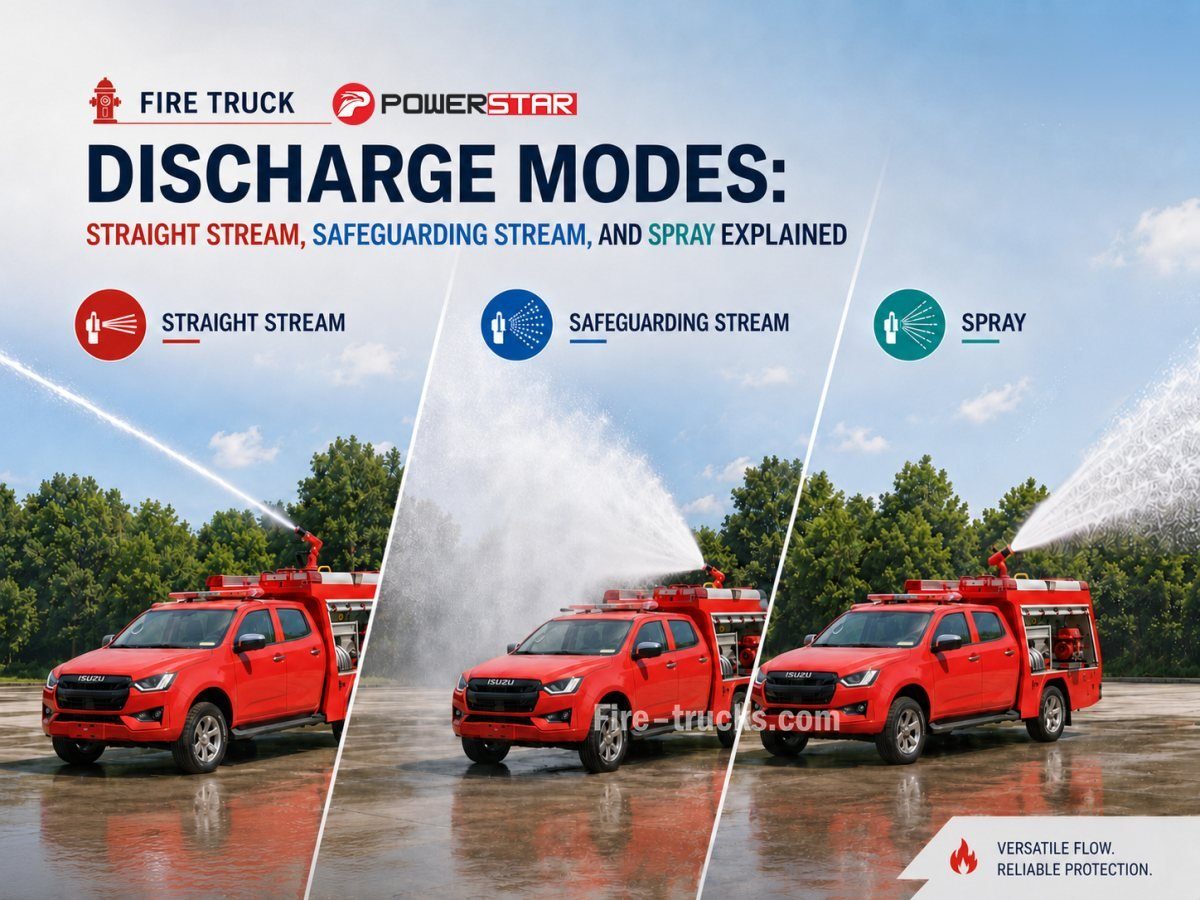
Sa mga operasyon ng pag-apula ng sunog, ang pagpili ng paraan ng pagbuga ay direktang nakaaapekto sa kahusayan ng pag-apula ng apoy, kaligtasan sa operasyon, at pagiging epektibo ng pagkontrol sa sunog. Hindi alam ng karamihan na ang trak ng bumberomga nozzle ay maaaring lumipat sa tatlong pangunahing paraan ng pagbuga: tuwid na agos, spray na agos, at proteksiyong agos. Malaki ang pagkakaiba ng bawat paraan sa anyo ng daloy, saklaw ng abot, puwersa ng tama, at lawak ng saklaw, at bawat isa ay tumutugma sa ganap na magkakaibang sitwasyon ng sunog. Ang artikulong ito, batay sa mga pamantayan ng propesyonal na operasyon sa pag-apula ng sunog, ay komprehensibong sinusuri ang mga prinsipyo, pangunahing katangian, at naaangkop na mga sitwasyon ng tatlong paraan ng pagbuga, upang matulungan ang aming mga customer na sistematikong mahasa ang mga teknik sa pagbuga ng trak ng bumbero. I. Bakit Kailangan ng mga Trak ng Bumbero ng Iba't Ibang Paraan ng Pagbuga? Ang tuwid na agos, spray na agos, at proteksiyong agos ay tumutugma sa tatlong magkaibang mekanismo ng pag-apula ng sunog: pag-apula sa pamamagitan ng puwersa ng tama, pagsakal sa pamamagitan ng singaw, at proteksiyon laban sa thermal radiation. Kailangang flexible na magpalit ang mga bumbero ayon sa kondisyon ng lugar. Kaya, bakit hindi na lang gumamit palagi ng isang uri ng agos? 1. Ang pagkakaiba-iba ng uri ng sunog ay nangangailangan ng iba't ibang anyo ng medium na pang-apula Ang iba't ibang uri ng sunog ay may magkakaibang katangian ng pagkasunog, na tumutukoy sa angkop na paraan ng pag-apula: • Ang mga sunog ng Class A na solidong materyal ay nangangailangan ng tama ng tuwid na agos upang durugin ang nasusunog na materyales at mapasok ang loob para sa pagpapalamig; • Ang mga sunog ng Class B na likido ay hindi maaaring gumamit ng tama ng tuwid na agos (dahil nagdudulot ito ng pagsabog ng likido at pagkalat ng apoy), kundi dapat gumamit ng proteksiyong agos o spray na agos para sa pagtakip at pagpapalabnaw; • Ang mga sunog ng Class E na may kuryente ay maaari lamang gumamit ng spray na agos, dahil ang maliliit na patak ng tubig ay hindi bumubuo ng tuloy-tuloy na daanan ng kuryente; • Ang mga sunog sa saradong espasyo ay nangangailangan ng spray na agos upang mapuno ang buong lugar, na nakakamit ang pag-apula sa pamamagitan ng pagsipsip ng init sa pagsingaw at pagsakal. Walang iisang paraan ang maaaring umangkop sa lahat ng uri ng sunog. 2. Ang iba't ibang yugto ng parehong sunog ay nangangailangan ng iba't ibang taktikal na paraan Kahit sa parehong sunog, ang iba't ibang yugto ay nangangailangan ng iba't ibang paraan ng pagbuga: • Sa unang yugto kapag matindi ang apoy, kailangan ang tuwid na agos para sa pangmatagalang tama sa pinagmumulan ng apoy upang mabilis itong mapigil; • Habang sumusulong, kailangan ang proteksiyong agos upang bumuo ng harang na kurtina ng tubig na humaharang sa thermal radiation at nagpoprotekta sa mga tauhan; • Bago pumasok sa isang silid, kailangan ang spray na agos u...
Mga detalye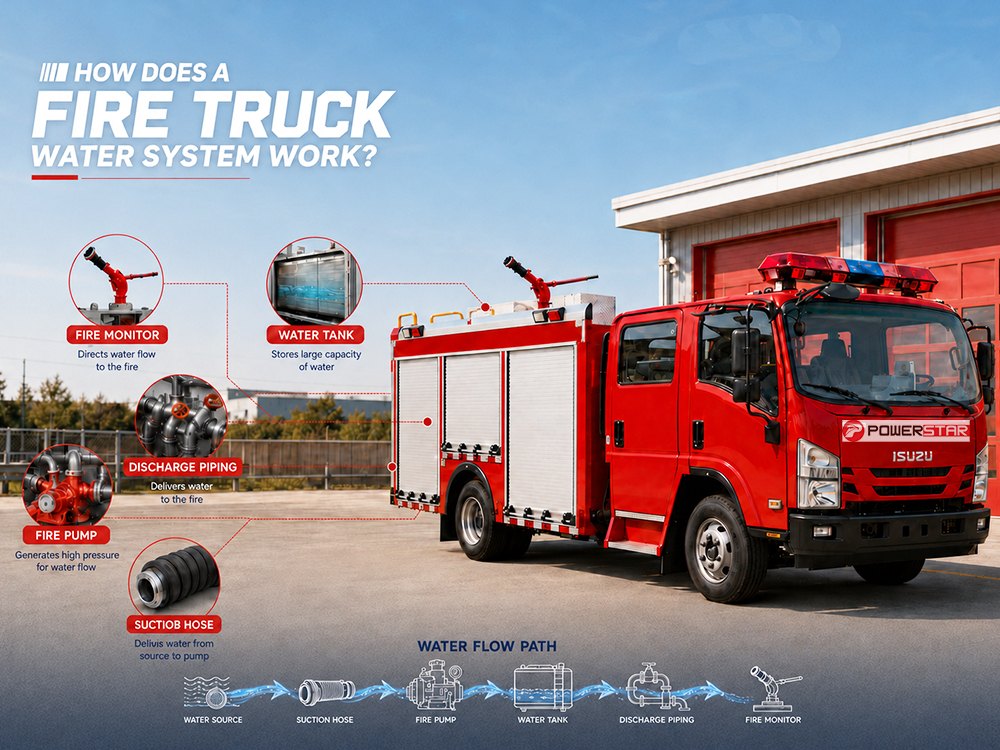
Ang sistema ng tubo ng tubig ng trak-pamatay-sunog ay ang pangunahing bahagi ng bawat operasyon sa paglaban sa sunog. Tumpak nitong dinidirekta ang tubig mula sa tangke o panlabas na pinagmumulan sa pamamagitan ng bomba, mga balbula, at mga tubo upang maghatid ng mataas na presyur na tubig o bula sa lugar ng sunog — maging ito man ay sunog sa mataas na gusali sa siksik na sentro ng lungsod o sunog sa tangke ng imbakan ng petrochemical sa sonang industriyal. Ang trak-pamatay-sunog sistema ng tubo ng tubig ay binubuo ng maraming bahaging nagtutulungan: bomba ng tubig-panlaban sa sunog, tangke ng tubig, hose ng pagsipsip, mga tubo ng paglabas, mga balbula, sangang pamamahagi, sangang pangkolekta, salaan, monitor ng sunog, mga pangkabit ng hose, at iba pa. Ang kumpletong daloy ay: Tangke ng Tubig → Hose ng Pagsipsip → Salaan → Bomba ng Sunog → Sistema ng Regulasyon ng Presyon → Kolektor ng Paglabas → Mga Balbula → Sanggang Pamamahagi → Monitor ng Sunog / Mga Pangakabit ng Hose → Buga Ipinapaliwanag ng artikulong ito ang bawat bahagi ng sistema ng tubo ng tubig at kung paano sila nagtutulungan upang maghatid ng tubig sa tamang presyon at daloy. I. Mga Pangunahing Bahagi ng Sistema ng Tubo ng Tubig Tangke ng Tubig Nag-iimbak ng suplay ng tubig na nasa sasakyan. ● Kapasidad: Karaniwang 2,000–12,000 litro. ● Paghahatid: Nagpapakain ng tubig sa bomba sa pamamagitan ng mga tubo ng pasok. ● Mga Tampok: Mga hadlang laban sa pag-alog ng tubig para sa katatagan ng sasakyan, salaan upang magsala ng mga dumi, at sistema ng pagpauna ng sipsip para kumuha ng tubig mula sa likas na pinagmumulan. Bomba ng Sunog Isang centrifugal na bomba na pinapaandar ng makina ng trak sa pamamagitan ng PTO; maaaring iisang yugto/maraming yugto, gawa sa cast iron o tanso. ● Mga antas ng presyon: Magagamit sa karaniwang rating na 0.8 MPa, 1.0 MPa, 1.2 MPa, at 1.4 MPa, na tumutugma sa karaniwang pangangailangan sa paglaban sa sunog. ● Mga antas ng daloy: Umaabot mula 1,200 hanggang 6,000 L/min, na may mga kurba ng pagganap na iniangkop para sa parehong operasyon na mataas ang presyon at mataas ang dami. Mga Balbula at Tubo Isang network ng mga tubo at balbula na kumokontrol sa direksiyon at dami ng daloy ng tubig. ● Balbula ng pasok: Ikinokonekta ang bomba sa mga panlabas na pinagmumulan ng tubig (hydrant o punto ng pagsipsip) ● Balbula mula tangke patungo sa bomba: Pinahihintulutan ang bomba na kumuha ng tubig nang direkta mula sa tangke ng sasakyan ● Mga balbula ng paglabas: Kinokontrol ang daloy ng tubig papunta sa mga hose at nozzle II. Paano Gumagana ang Sistema ng Tubo ng Tubig ng Trak-Pamatay-Sunog Hakbang 1: Pagpasok ng Tubig at Pagpapauna ng Sipsip Pumapasok ang tubig sa sistema mula sa tangke ng sasakyan, hydrant ng sunog, o likas na pinagmumulan ng tubig (mga lawa, ilog, lawa). Kapag kumukuha mula sa likas na pinagmumulan, inaalis ng sistema ng pagpapauna ng sipsip (vacuum pump) ang hangin mula sa hose ng pagsipsip, lumilikha ng vacuum na nagpapahintulot sa presyon ng atm...
Mga detalye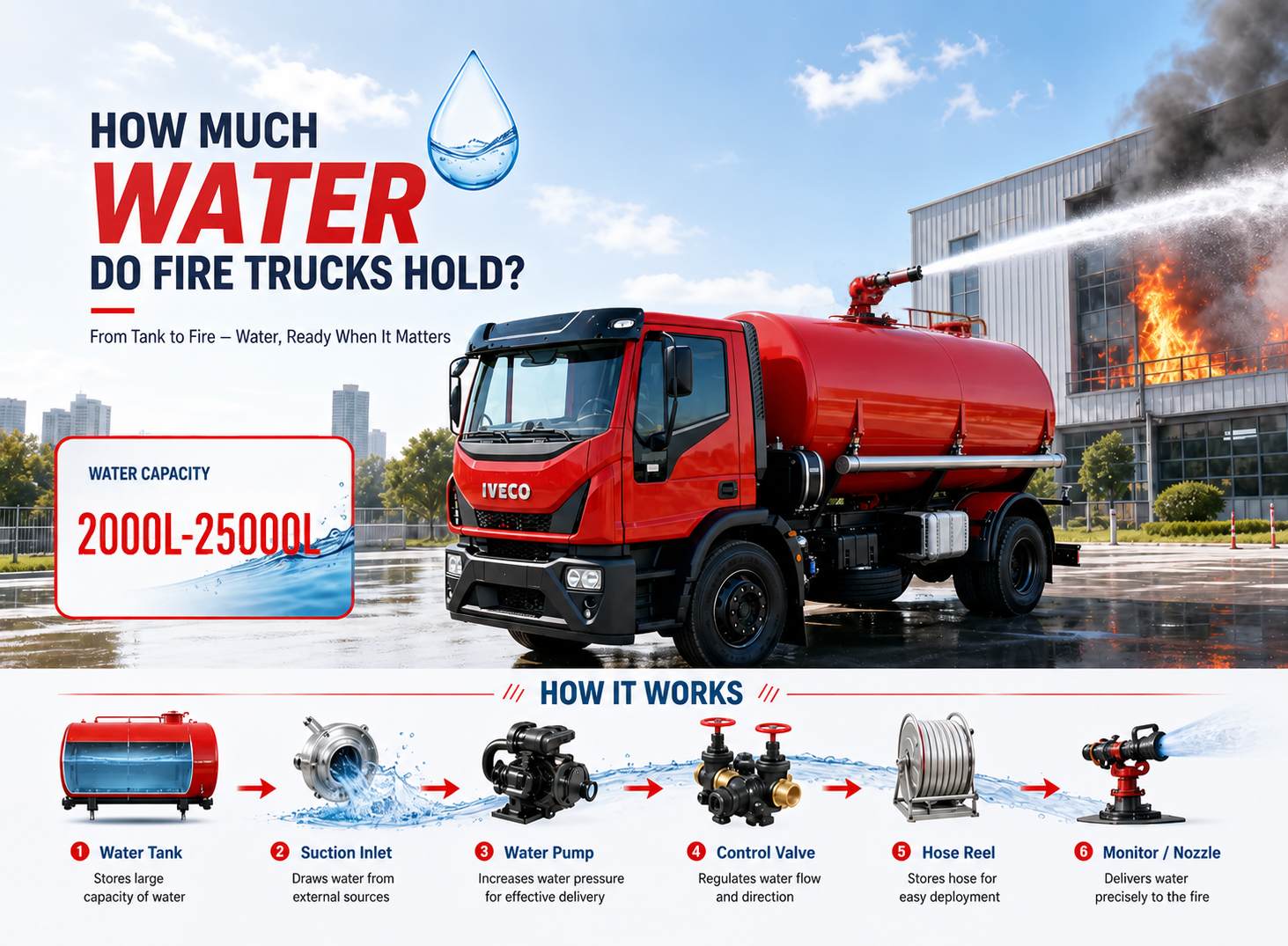
Gaano karaming tubig ang kayang dalhin ng isang trak ng bumbero? Isa ito sa mga unang tanong na kinakaharap ng aming mga customer kapag pumipili ng trak ng bumbero. Walang iisang nakapirming bilang — nakadepende ito sa uri ng sasakyan, kapasidad ng chassis, layunin ng disenyo, at mga regulasyon sa rehiyon, mula sa 2,000 litro na mga yunit na magaan ang gamit hanggang sa 25,000 litro na mga trak ng bumbero para sa industriya. Ngunit ang mas malaking tangke ay hindi palaging nangangahulugan ng mas mahusay na pagganap; sasakyang panlaban sa sunog ang kapasidad ng tangke ng tubig ay dapat na wastong itugma sa daloy ng bomba, bilis ng paglabas ng monitor, at kapasidad ng chassis upang makapaghatid ng epektibong resulta sa paglaban sa sunog. Nagsisimula ang artikulong ito sa mga pangunahing kaalaman tungkol sa kapasidad ng tangke ng tubig ng trak ng bumbero, sinusuri ang karaniwang mga saklaw ng imbakan para sa iba't ibang uri ng sasakyan, tinatalakay ang mahahalagang salik na nakaaapekto sa disenyo ng tangke, at nagbibigay ng praktikal na gabay sa pagbili. Mahahalagang Punto: Ang kapasidad ng tangke ng tubig ng trak ng bumbero ay karaniwang nasa saklaw na 2,000 hanggang 25,000 litro Magkakaiba ang kapasidad ng tangke ng iba't ibang uri ng trak ng bumbero Ang mas malaking tangke ay hindi nangangahulugan ng mas mahusay na kakayahan sa paglaban sa sunog Ang kapasidad ng tangke ay dapat itugma sa daloy ng bomba, daloy ng monitor, at kapasidad ng chassis Karaniwang nangangailangan ang paglaban sa sunog sa industriya ng malalaking tangke, habang inuuna ng paglaban sa sunog ng mga munisipalidad ang madaling pagkilos » I. Tatlong Pangunahing Uri ng Tangke ng Tubig ng Trak ng Bumbero Mga Trak na may Bomba:Ito ang pinakakaraniwang mga trak ng bumbero ng munisipalidad. Pangunahing umaasa ang mga ito sa mga fire hydrant para sa suplay ng tubig at nagdadala ng humigit-kumulang 1,900–3,800 litro ng tubig sa sasakyan para sa paunang pag-atake. Ang pangunahing bahagi ng mga sasakyang ito ay ang bomba, hindi ang tangke — dinisenyo ang mga ito upang maghatid ng may presyong tubig kapag nakakonekta na sa fire hydrant. Mga Tangker na Trak (Mga Tagapagdala ng Tubig):Ang mga sasakyang ito ay nakalaan sa pagdadala ng malalaking dami ng tubig, na may kapasidad ng tangke na karaniwang lampas sa 11,400 litro. Mahalaga ang papel nila sa mga rural at liblib na lugar kung saan walang mga fire hydrant, dahil naghahatid sila ng tubig mula sa mga pinagmumulan ng tubig patungo sa lugar ng sunog para gamitin ng mga trak na may bomba. Mga Trak na may Bomba at Tangke:Pinagsasama ng mga sasakyang ito ang mga tungkulin ng pagbomba at pagdadala ng tubig sa isang yunit. Maaari silang parehong maglabas ng tubig para sa paglaban sa sunog at magsuplay sa ibang mga sasakyan. Karaniwang nasa 5,700 hanggang 11,400 litro ang kapasidad ng tangke, kaya maraming gamit ang mga ito para sa mga kagawaran ng bumbero. » II. Gaano Karaming Tubig ang Kayang Dalhin ng Iba't Ibang Uri ng Trak ng Bumbero? Uri ...
Mga detalye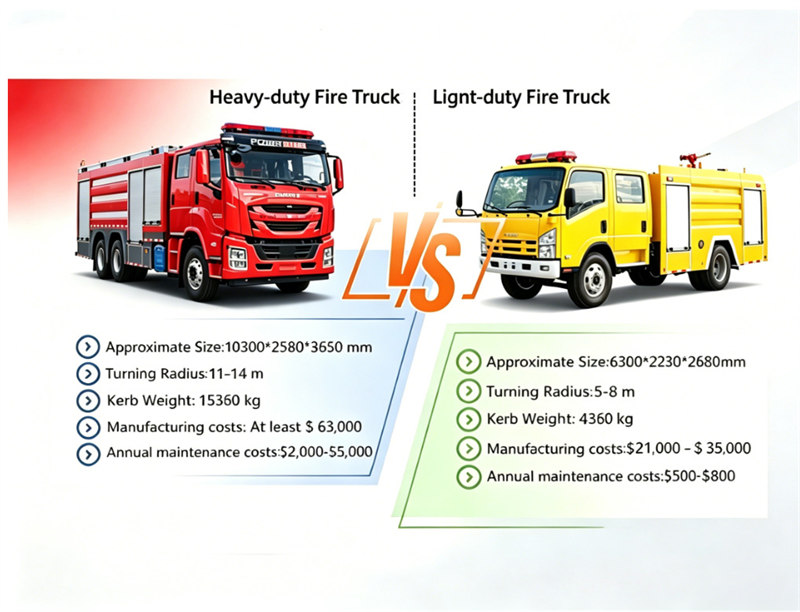
Trak ng pamatay-sunog para sa pagsagipmalaki ang pagkakaiba ng mga pangangailangan sa pagitan ng mga metropolitan na lugar at mga komunidad sa kanayunan o maliliit na bayan. Umaasa ang malalaking kagawaran ng bumbero sa mga mabibigat na trak ng pamatay-sunog na may malalaking tangke ng tubig, mahahabang hagdan para sa matataas na gusali, at kumpletong pang-industriyang konfigurasyon upang harapin ang mga sunog sa matataas na gusali, sunog sa industriya, at malalaking emerhensiya. Gayunpaman, para sa maliliit na lungsod, mga bayan sa kanayunan, mga istasyon ng bumbero sa nayon, at mga boluntaryong kagawaran ng bumbero, ang mabibigat na trak ng pamatay-sunog ay kadalasang nagiging pasanin kaysa kalamangan. Ito ang dahilan kung bakit naging pangunahing at pinakapraktikal na solusyon sa buong mundo ang magagaan na trak ng pamatay-sunog para sa maliliit na lungsod at mga kagawaran ng bumbero sa kanayunan. Sa pagsasama ng maliit na sukat, nababagong paggalaw, kumpletong pangunahing mga tungkulin sa pagsagip, at mababang kabuuang gastos, perpektong tumutugma ang mga ito sa pang-araw-araw na pangangailangan sa pagsagip at pag-iwas sa sunog ng mga pangunahing pangkat ng bumbero. Ang magaan na trak ng pamatay-sunog ay isang maliit at magaang sasakyang pang-emerhensiya para sa sunog na partikular na idinisenyo para sa mga senaryo ng sunog sa mga pangunahing komunidad, suburban na lugar, at kanayunan. I. Paghahambing sa pagitan ng mabibigat at magagaan na trak ng pamatay-sunog: Upang malinaw na tingnanang agwat sa pagitan ng mabibigat at magagaan na trak ng pamatay-sunog, naghanda kami ng direktang tsart ng paghahambing na sumasaklaw sa mga pangunahing praktikal na sukatan. Ang malalaking modelo ay umaabot sa mahigit 10 metro na may radius ng pagliko na 11–14m at bigat na 15 tonelada, na nagkakahalaga ng hindi bababa sa $63,000 para gawin kasama ang $2,000–$5,000 taunang pagpapanatili. Sa kabilang banda, halos hinahati ng mga compact na magagaan na trak ng pamatay-sunog ang sukat, tumitimbang lamang ng 4,360 kg, nagsisimula sa $21,000, at nagpapanatili ng taunang gastos sa pagpapanatili na mababa sa $800, na nagbibigay ng mas mahusay na paggalaw at halaga sa badyet para sa mga istasyon sa kanayunan at maliliit na bayan. Ⅱ.Mga pangunahing tampok ng magagaan na trak ng pamatay-sunog: 1.Magaan ngunit may disenyong may mataas na kakayahang magdala ng karga. Ang kabuuang bigat ng sasakyan ay nananatiling mas mababa sa 8,000 kg kahit ganap na puno, na nagbibigay-daan sa napakabilis na pagtugon sa emerhensiya. 2.Maaaring piliin ang pagpapasadya ng all-wheel drive upang harapin ang magaspang at hindi pantay na mga daan na karaniwan sa malalayong rehiyon. 3.Ganap na napapanatili ang buong saklaw ng mga kakayahan sa paglaban sa sunog: a. Dalawang magkahiwalay na tangke para sa tubig at foam na panlaban sa sunog. b. Double-row na kabina para sa mga tauhan upang mapaunlakan ang buong pangkat ng mga tumutugong bumbero. c. Kumpletong karaniwang imbentary...
Mga detalye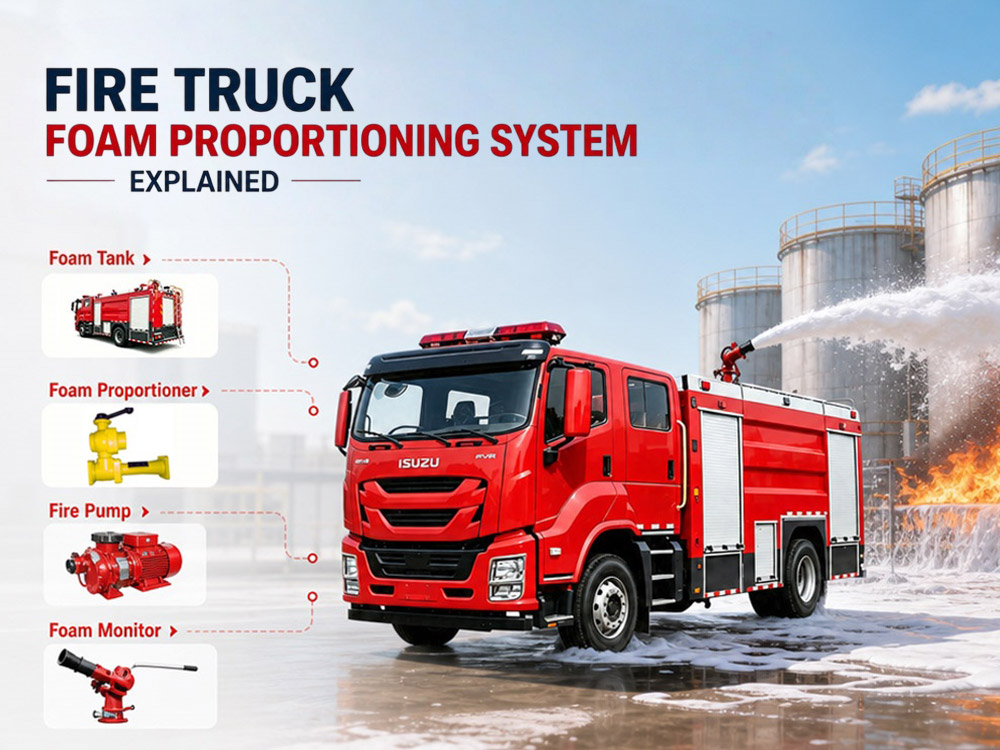
Hinahalo ng sistema ng bula ng trak ng bumbero ang tubig at pampalapot ng bula sa eksaktong mga proporsyon (1%, 3%, o 6%) upang makagawa ng solusyon ng bula. Ang solusyong ito ay saka pinipresyur ng bomba ng bumbero at pinalalaki gamit ang hangin sa pamamagitan ng mga nguso ng bula — ito ang pangunahing prinsipyo ng paggana kung paano isang trak ng bumbero na may bula naghahalo ng bula at tubig — na sa huli ay lumilikha ng matatag na kumot ng bula na tumatakip sa ibabaw ng gasolina. Pinapataas ng prosesong ito ang kahusayan sa paglaban sa sunog nang mahigit 50% habang binabawasan ang aksaya ng pampalapot ng bula ng 30%. » I. Bakit Kailangan ng Sistema ng Bula ang Isang Trak ng Bumbero? Kung ihahambing sa paggamit lamang ng tubig, may tatlong pangunahing pakinabang ang bula: 1. Paghiwalay ng Oxygen— Tinatakpan ng bula ang nasusunog na ibabaw, na bumubuo ng siksik na pisikal na hadlang na pumipigil sa pag-abot ng oxygen sa sona ng pagkasunog, kaya napipigil ang apoy. 2. Pagbawas ng Temperatura— Ang nilalamang tubig sa solusyon ng bula ay sumisipsip ng malaking dami ng init habang sumisingaw ito, kaya mabilis na nababawasan ang temperatura ng nasusunog na lugar. 3. Pag-iwas sa Muling Pagkasiklab— Patuloy na tinatakpan ng patong ng bula ang lugar ng apoy kahit matapos mapatay ang apoy, na epektibong naghihiwalay sa oxygen at mga nasusunog na singaw, at lubos na binabawasan ang panganib ng muling pagkakasiklab. » II. Pangunahing Prinsipyo ng Paggana ng Sistema ng Bula 1. Sistema ng Paghahalo ng Proporsyon:Dumadaloy ang tubig sa proportioner → lumilikha ng negatibong presyon (sistemang negatibong presyon) o gumagamit ng bomba ng bula (sistemang positibong presyon) → kumukuha ng pampalapot ng bula mula sa tangke ng bula → naghahalo sa itinakdang proporsyon (1%, 3%, o 6%) → dumadaloy ang solusyon ng bula papunta sa bomba. 2. Pagpapapresyur ng Bomba:Pumapasok ang solusyon ng bula sa centrifugal na bomba → pinipresyur hanggang 0.8–1.2 MPa → ipinapadala sa pamamagitan ng mga tubo patungo sa mga labasan o monitor ng bula. 3. Pagpapalawak ng Bula:Ang solusyon ng bula na may presyon ay dumadaan sa nguso ng bula o aparatong nagpapahangin → nahahalo ang hangin → lumalawak ang solusyon bilang nabuo nang bula → tinatakpan ang ibabaw ng gasolina → pinuputol ang suplay ng oxygen at pinipigil ang apoy. Pangunahing Konsepto:Ang pampalapot ng bula + tubig ay hindi katumbas ng nabuo nang bula. Ang pinaghalong solusyon ng bula ay likido pa rin — kailangan itong pagsamahin sa hangin sa pamamagitan ng nguso ng bula upang maging tunay na bula para sa paglaban sa sunog. Kapag ang mataas na presyur na solusyon ng bula ay dumaan sa nguso nang mabilis, lumilikha ito ng lokal na sona ng negatibong presyon na sapilitang humihigop ng hangin. Ang hangin at likido ay nagbabanggaan at marahas na naghihiwa-hiwalay sa loob ng nguso, na agad na nagiging milyun-milyong maliliit na bula na naiipon upang bumuo ng puting bula. » III. Paano Naghahalo ng Bula at Tubig ang Isang Trak ng Bumber...
Mga detalye
Mangyaring magpatuloy sa pagbabasa, manatiling nakaantabay, mag-subscribe, at malugod naming hinihintay ang inyong mga komento.

 Suportado ang network ng IPv6

 Filipino
 English
 français
 Deutsch
 русский
 italiano
 español
 português
 Nederlands
 العربية
 日本語
日本語 한국의
한국의 Türkçe
 Melayu
 ไทย
ไทย Tiếng Việt
 Indonesia
  中文
中文 қазақ
қазақ မြန်မာ
 српски